
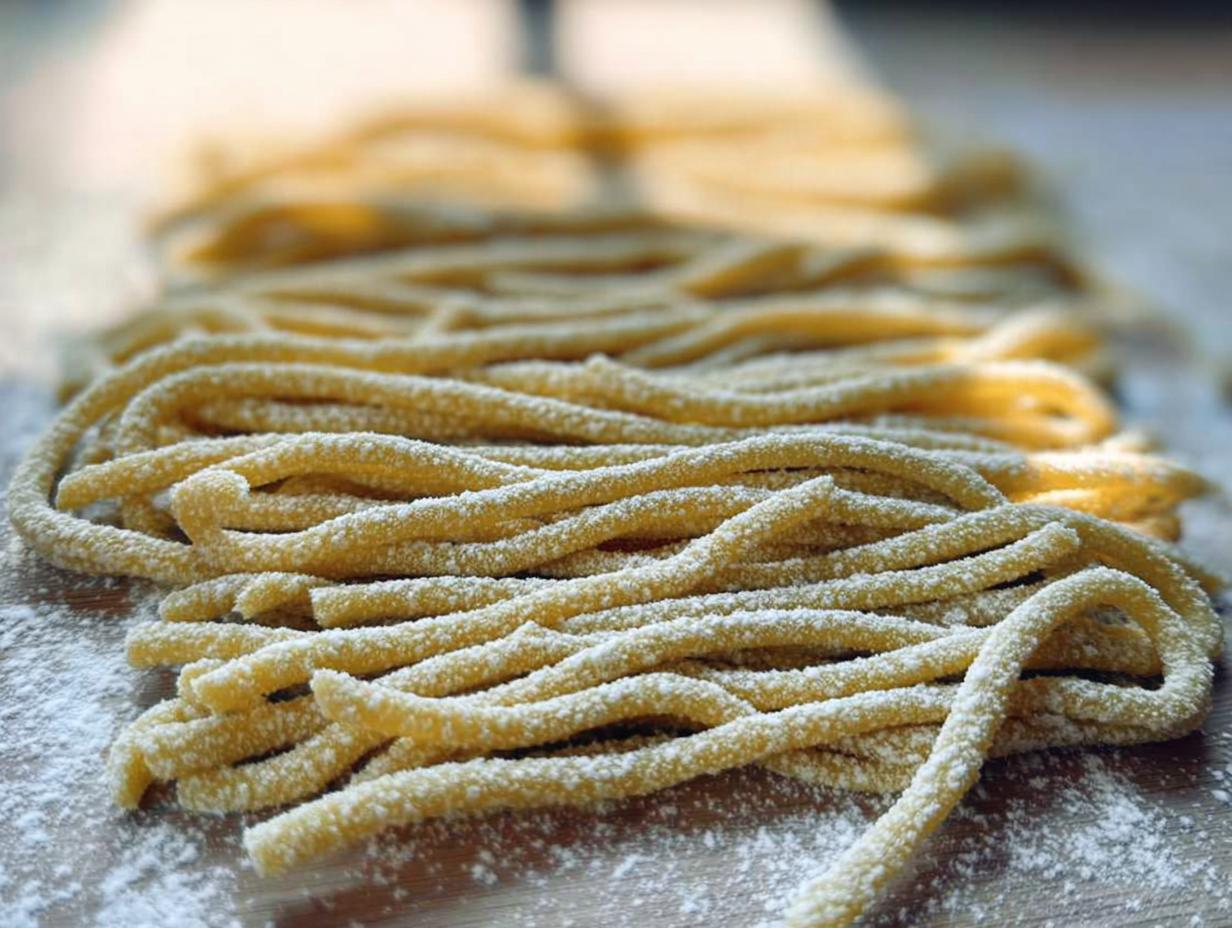
Seriously, have you ever had a bite of truly fresh, homemade pasta and thought, “Wow, this is different”? That’s the magic I’m talking about! Learning How to Make Pasta Recipes Like a Pro (2025) isn’t as scary as it sounds, I promise. I still remember the first time I decided to tackle fresh pasta from scratch. It was a super rainy Saturday, and I was in my tiny apartment kitchen with just a rolling pin and a recipe I found online. The dough was a sticky mess, getting everywhere, but as I kneaded and rolled, I felt this connection to all the cooks before me. When I finally boiled those sheets and tossed them with a simple marinara, the taste was out of this world. That moment kicked off my whole pasta obsession, showing me that with a little patience, amazing homemade meals are totally doable!
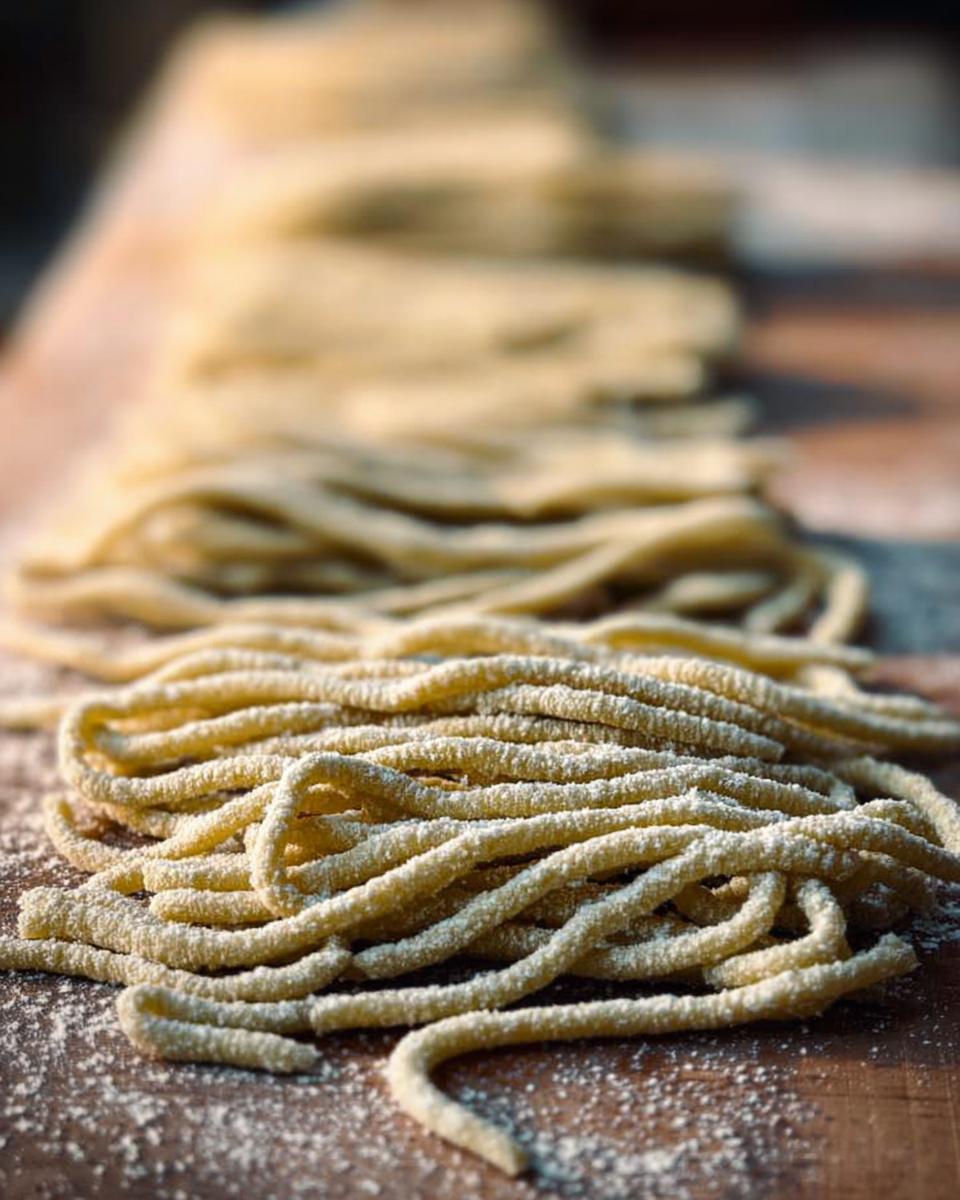
Why You’ll Love This How to Make Pasta Recipes Like a Pro (2025) Guide
So, why should you dive into this guide? Well, for starters, it breaks down pasta making into super manageable steps. You’ll feel totally confident diving in, even if you’ve never made pasta before. Plus, we’re talking restaurant-quality results here – seriously, your homemade pasta will blow your friends and family away! There’s just this amazing satisfaction that comes from creating something so delicious from scratch. Get ready to impress yourself and everyone you cook for!
Essential Equipment for How to Make Pasta Recipes Like a Pro (2025)
Alright, let’s talk tools! To really nail How to Make Pasta Recipes Like a Pro (2025), you’ll want a few key things. Of course, a good pasta machine will make your life way easier, whether it’s a fancy stand mixer attachment or a trusty hand-crank model. But don’t worry if you don’t have those! A sturdy rolling pin and a sharp knife can get you just as far. You’ll also want something to dry your gorgeous pasta on – think a pasta drying rack, or even just some clean kitchen towels or the back of chairs in a pinch. Having the right gear really makes the process smoother and more enjoyable!
Pasta Machines: Stand Mixer Attachments vs. Hand-Crank
When it comes to machines, you’ve got two main camps. Stand mixer attachments hook right up to your KitchenAid (or similar) and do all the heavy lifting – super fast and consistent sheets of pasta. The trade-off? They can be a bit pricey. Hand-crank machines are the classic choice. You turn the crank by hand, feeding the dough through. They’re usually more affordable and give you great control, but man, it’s a workout! Both work wonders, so pick what fits your kitchen and budget best.
Beyond the Machine: Rolling Pins and Drying Racks
Even if you’re using a pasta machine, a good rolling pin is handy for that initial flattening or if you’re going totally old-school. You just need to roll your dough out super thin and even. And then there’s the drying rack! It’s seriously a game-changer for keeping your pasta from clumping together and getting nicely set. If you don’t have one, no stress! Drape long strands over the back of chairs (make sure they’re super clean!) or spread them out on lightly floured baking sheets. I’ve even used the back of a wooden spoon or a broom handle. Just make sure they have space to breathe and dry out properly!
Ingredients for Your Pasta Dough
Okay, let’s talk about what you’ll actually need to make up some glorious pasta dough. The beauty of fresh pasta is its simplicity! For a classic egg-based dough – my go-to for that rich flavor and lovely texture – you’ll typically need about 2 cups of all-purpose flour, or a mix of all-purpose and ’00’ flour if you can find it. Then, you’ll need 3 large eggs. Now, this is where quality really shines through; I always try to use the freshest, best eggs I can get my hands on because they make a huge difference! A pinch of salt is essential for flavor, and sometimes a tablespoon of olive oil can make the dough a little more pliable, though it’s not always necessary. That’s it! Simple, right? The magic is in the technique, not a laundry list of fancy ingredients.
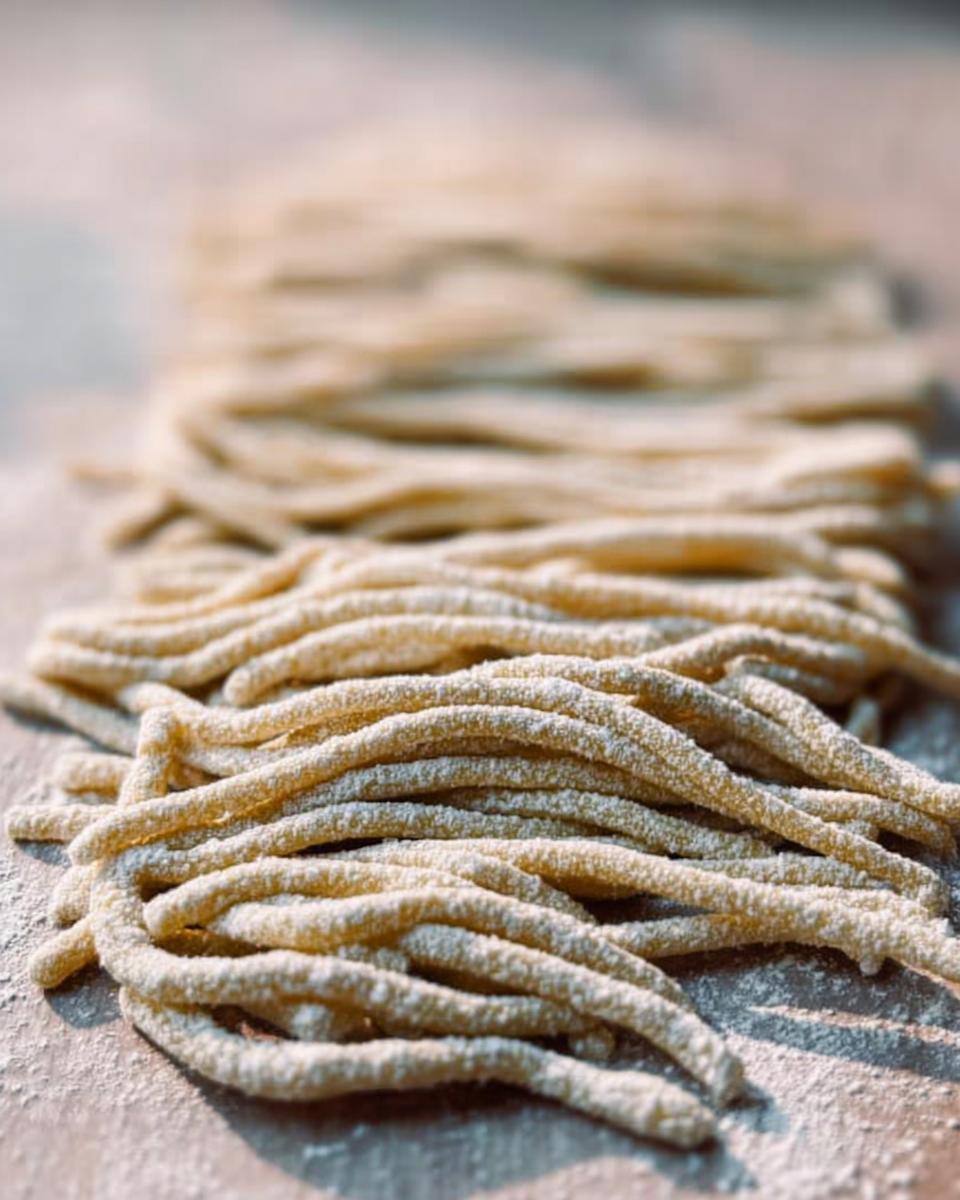
Semolina Flour: The Secret to Non-Sticking Pasta
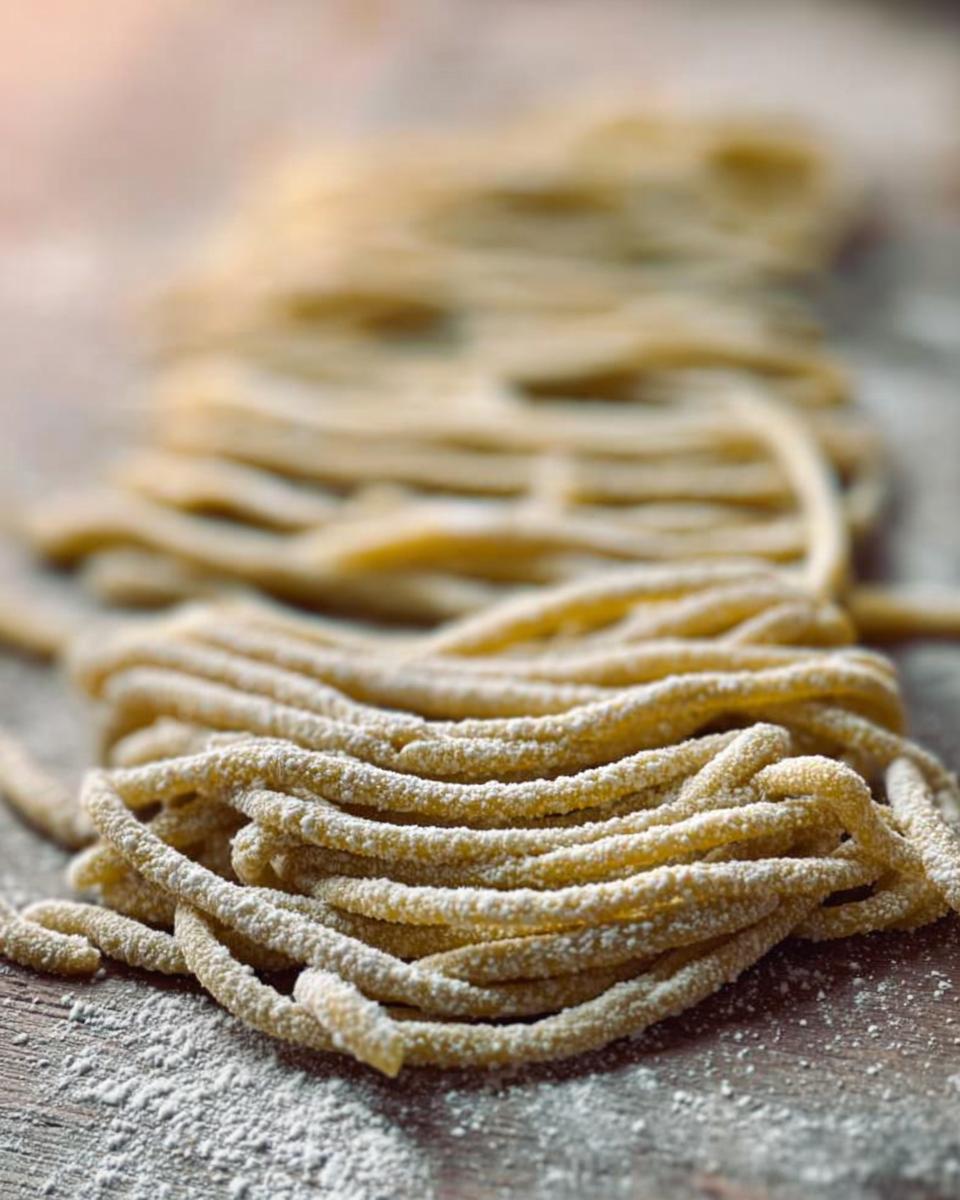
Now, for the finishing touch before we dry this beauty: semolina flour! This is your secret weapon against sticking. Semolina is coarser than regular flour and has this wonderful grainy texture that helps keep your pasta from clumping up into one giant, sad noodle ball. You just need to dust your cut pasta generously with it. If you happen to be out of semolina, don’t panic! You can use regular all-purpose flour, just a little lighter, or even cornmeal in a pinch (though that adds a different flavor). The main thing is to get something on there so each piece of pasta can dry individually.
Step-by-Step Guide: How to Make Pasta Recipes Like a Pro (2025)
Alright, let’s get this dough made! This is where the magic really happens for learning How to Make Pasta Recipes Like a Pro (2025). First things first, after you’ve mixed your flour and eggs, you’ve got to get your hands in there and knead the dough. Push, fold, and turn it for about 5-10 minutes until it feels super smooth and elastic – no more sticky bits sticking to your fingers! Then, and this is crucial, wrap that dough ball up tight in plastic wrap and let it chill and relax for at least 30 minutes. It’s like giving the gluten a little spa day, making it way easier to roll out later.
Kneading and Resting Your Pasta Dough
When you’re kneading, think of it as a gentle workout for your dough. You want it smooth and bouncy, not tough. If it feels too dry, a tiny splash of water can help; if it’s too sticky, a little more flour on your hands and the surface. Once it’s nice and smooth, wrap it up! That resting period is so important because it lets the gluten relax. If you skip it, you’ll have a dough that fights you every step of the way when you try to roll it thin. Trust me on this one!
Rolling and Shaping Your Homemade Pasta
Now for the fun part! If you’re using a pasta machine, start on the widest setting and pass the dough through, then fold it and pass it again. Do this a few times, then gradually decrease the setting, passing the dough through each one until you get to your desired thickness. It should be thin enough to see your hand through slightly but not too delicate. If you’re rolling by hand, just keep at it with your pin until it’s nice and even. Then, you can cut it into whatever shapes you’re dreaming of – fettuccine, tagliatelle, or even just rough squares for a rustic look!
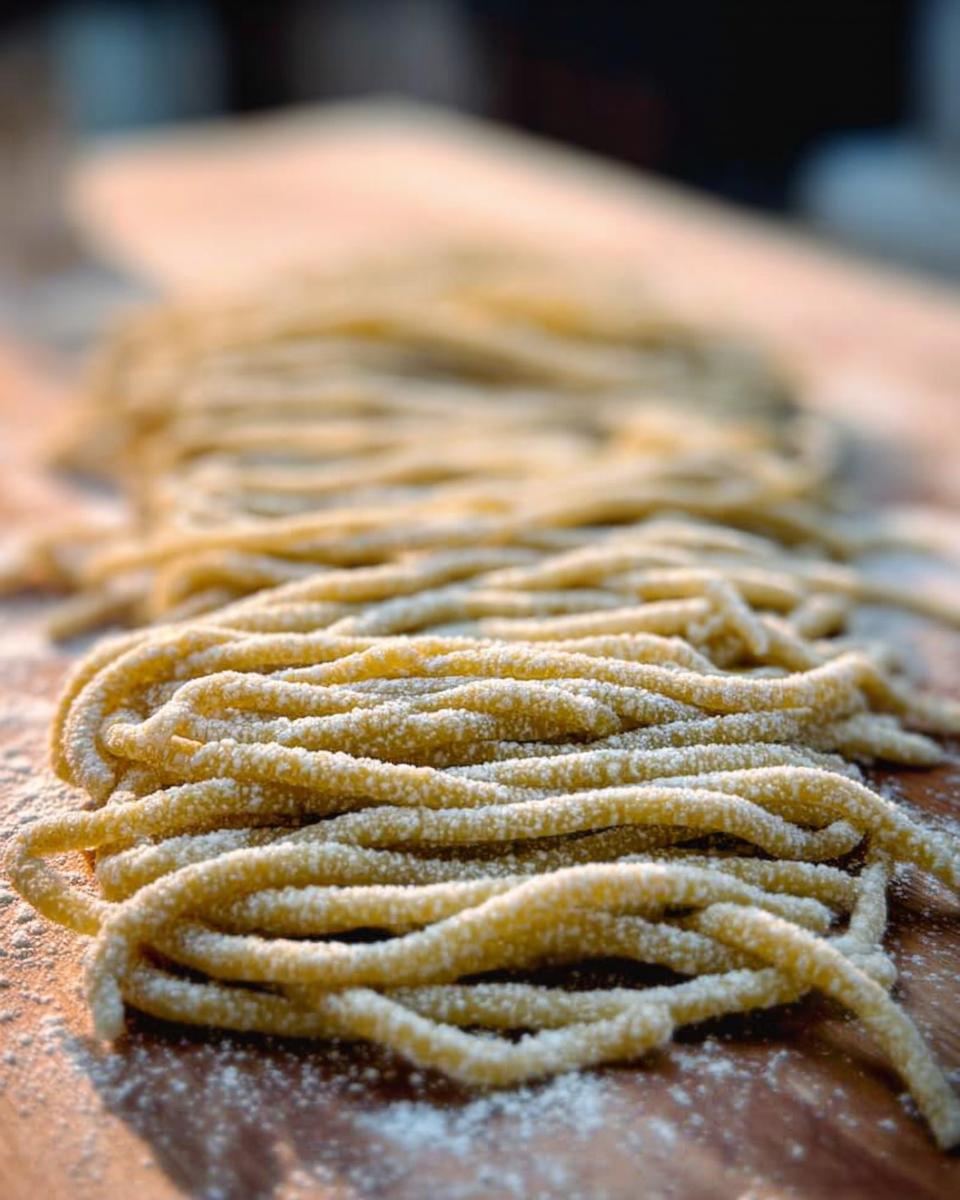
Drying Your Fresh Pasta for Optimal Texture
Once your pasta is cut, grab that semolina flour (or whatever you’re using to dust!). Give it a good, generous coating – you want each strand or piece separated. Then, lay it out on your drying rack, or drape those long noodles over chairs or a clean broom handle. The goal is to let it air dry for at least 30 minutes, or even longer if you want it really firm. This step is KEY for preventing mushy pasta when you cook it. You’ll know it’s ready when it feels dry to the touch and doesn’t feel sticky at all.
Cooking Fresh Pasta to Perfection
Cooking fresh pasta is super quick, seriously, keep an eye on it! You want a big pot of generously salted boiling water – think of it as seasoning the pasta from the inside out. Drop your pasta in and stir gently right away. Most fresh pasta takes only about 2-5 minutes to cook. It should float to the top when it’s almost done. Taste a piece to check for that perfect ‘al dente’ bite – tender but still with a little chew. Don’t overcook it! Drain it quickly, saving a little pasta water, and toss it right into your sauce. Voilà!
Tips for How to Make Pasta Recipes Like a Pro (2025)
Okay, so you’ve made the pasta, but how do you make it *really* amazing? Here are a few tricks I’ve picked up over the years that really help when you’re aiming for that How to Make Pasta Recipes Like a Pro (2025) level. Remember, pasta can be a little finicky, but once you get the hang of it, it’s so rewarding. Don’t be afraid to get your hands dirty with this one. It’s all about feeling the dough and understanding what it needs!
Achieving the Perfect Dough Consistency
The biggest thing is getting that dough just right. If it feels too sticky, add just a tiny pinch of flour at a time, and honestly, don’t go overboard. Too much flour makes it tough! On the flip side, if it’s crumbly and dry, add water, just a teaspoon at a time, until it comes together. Egg sizes can vary, and even humidity plays a role, so always feel it out. You’re looking for a dough that’s smooth, elastic, and springs back when you poke it, but doesn’t stick to your fingers.
Troubleshooting Common Pasta Making Issues
Got sticky dough? Usually, it just needs a little more kneading on a lightly floured surface. If your pasta tears when you’re rolling it thin, it might be too dry, or you just need to let it rest a bit longer. Uneven cooking? Make sure your water is boiling like crazy and you’re not overcrowding the pot. Also, make sure your pasta is dried evenly; if some parts are drier than others, they’ll cook at different rates. It’s all about paying attention to the little things!
Serving Suggestions for Your Homemade Pasta
Now that you’ve made this gorgeous pasta, what do you do with it? Oh, the possibilities! For a quick weeknight win, toss it with a classic basil pesto or a simple garlic and olive oil sauce with a pinch of red pepper flakes. I also love pairing thick cuts like fettuccine with a rich, creamy Alfredo or a hearty Bolognese. Long strands like spaghetti are perfect with a light tomato sauce, maybe adding some crispy chicken thighs for a real treat! And don’t forget a sprinkle of fresh Parmesan cheese and a side of crusty bread to soak up any extra sauce. You can find more yummy ideas here!
Storage and Reheating Your Fresh Pasta
So you’ve made a mountain of gorgeous pasta, and maybe you have leftovers – awesome! For fresh pasta you’re going to cook soon, just pop it in an airtight container in the fridge. It’s best used within a day or two. If you want to dry it out for longer storage, make sure each piece is well-dusted with semolina and spread out on a tray. Once dry, you can store it in an airtight container at room temperature for a few weeks, or even longer in the freezer! Reheating is super simple: just boil it like you normally would, keeping in mind dried pasta might take a minute or two longer than super fresh.
Frequently Asked Questions About How to Make Pasta Recipes Like a Pro (2025)
Got questions about making pasta like a pro? I totally get it! It can seem a bit intimidating at first, but don’t worry, I’ve got your back. Here are some common things people ask when they’re diving into the world of homemade pasta.
Can I Make Pasta Dough Without a Machine?
Absolutely! You don’t need a fancy machine to make amazing pasta. Just use a good rolling pin and a sharp knife. Knead the dough really well by hand until it’s smooth, then roll it out as thin as you can get it. It takes a bit more elbow grease, but the result is just as delicious and oh-so-satisfying!
How Long Does Fresh Pasta Last?
Fresh pasta is best cooked within a day or two when stored in the fridge in an airtight container. If you dry it out properly, you can keep it at room temperature for a few weeks, or even freeze it for a few months! Just make sure it’s really dry before storing to avoid any yucky mold.
What’s the Difference Between Egg Pasta and Water Pasta?
Egg pasta, like the kind you’ll learn to make here, usually uses eggs and flour, giving it a richer flavor and a tender, slightly chewy texture. It’s perfect for richer sauces. Water pasta, on the other hand, often just uses flour and water (sometimes with a little salt). It tends to be a bit firmer and holds up really well with heartier, chunkier sauces or in baked dishes!
Estimated Nutritional Information
So, while exact numbers can dance around a bit depending on your exact flour, eggs, and how much olive oil you sneak in, a typical serving of homemade pasta like this is generally estimated to be around 350-450 calories. You’re looking at roughly 15-20g of fat, about 50-60g of carbs, and a good 15-20g of protein. These are just ballpark figures, of course, but it gives you a good idea of what you’re working with!
Share Your Pasta Creations!
Alright, now it’s your turn! I’m so excited to see what amazing pasta you whip up using these techniques. Don’t be shy – drop a comment below telling me about your experience, or even rate the recipe! If you’re feeling inspired, snap a pic of your pasta masterpiece and tag me on social media. I love seeing your creations! For any other questions or feedback, feel free to reach out via the contact page or the about page. Happy cooking!

How to Make Pasta Recipes Like a Pro (2025)
Ingredients
Equipment
Method
- Gather your ingredients and equipment. Ensure you have enough time for dough preparation, resting, rolling, cutting, and drying.
- Prepare your pasta dough according to your chosen recipe. This typically involves mixing flour and eggs, then kneading until smooth.
- Let the dough rest for at least 30 minutes. This allows the gluten to relax, making it easier to roll.
- Decide on your pasta shape and the equipment you will use. You can use a rolling pin and knife for hand-cut shapes, or a pasta machine for more uniform results.
- Roll out the dough to your desired thickness. If using a pasta machine, start with the widest setting and gradually decrease it. If rolling by hand, aim for an even thickness.
- Cut the pasta into your desired shapes. This could be lasagna sheets, fettuccine, spaghetti, or more complex shapes using attachments.
- Dust the cut pasta generously with semolina flour to prevent sticking. Spread the pasta out on a clean surface, drying rack, or draped over chairs.
- Allow the pasta to dry for at least 30 minutes, or longer if preparing ahead of time. Properly dried pasta will hold its shape better when cooked.
- Cook the fresh pasta in boiling salted water until al dente. Cooking time will vary depending on the thickness and shape of your pasta, typically 2-5 minutes.
- Drain the pasta and toss immediately with your favorite sauce.
Notes
Tried this recipe?
Let us know how it was!
Tech-Enabled Keto Innovator
My kitchen runs on code as much as coconut oil. After burning out as a Silicon Valley engineer, I discovered keto through a quantified-self experiment that got wildly out of hand. I was tracking every biomarker while optimizing my brain for coding marathons.
What started as personal optimization became an elaborate system of IoT sensors, smart scales, and algorithms. My apartment turned into a lab with app-controlled sous vide machines and remotely monitored fermentation chambers. Yes, I’m that guy.
My biggest achievement? A machine learning algorithm that suggests recipe modifications based on glucose monitor data. Over 3,000 people beta-tested it with measurably improved results. Instead of static recipes, I create dynamic frameworks that adapt to your exercise data, altitude, and local grocery availability.
Food preparation is just another user interface problem—and like good UX, it should adapt to you.