
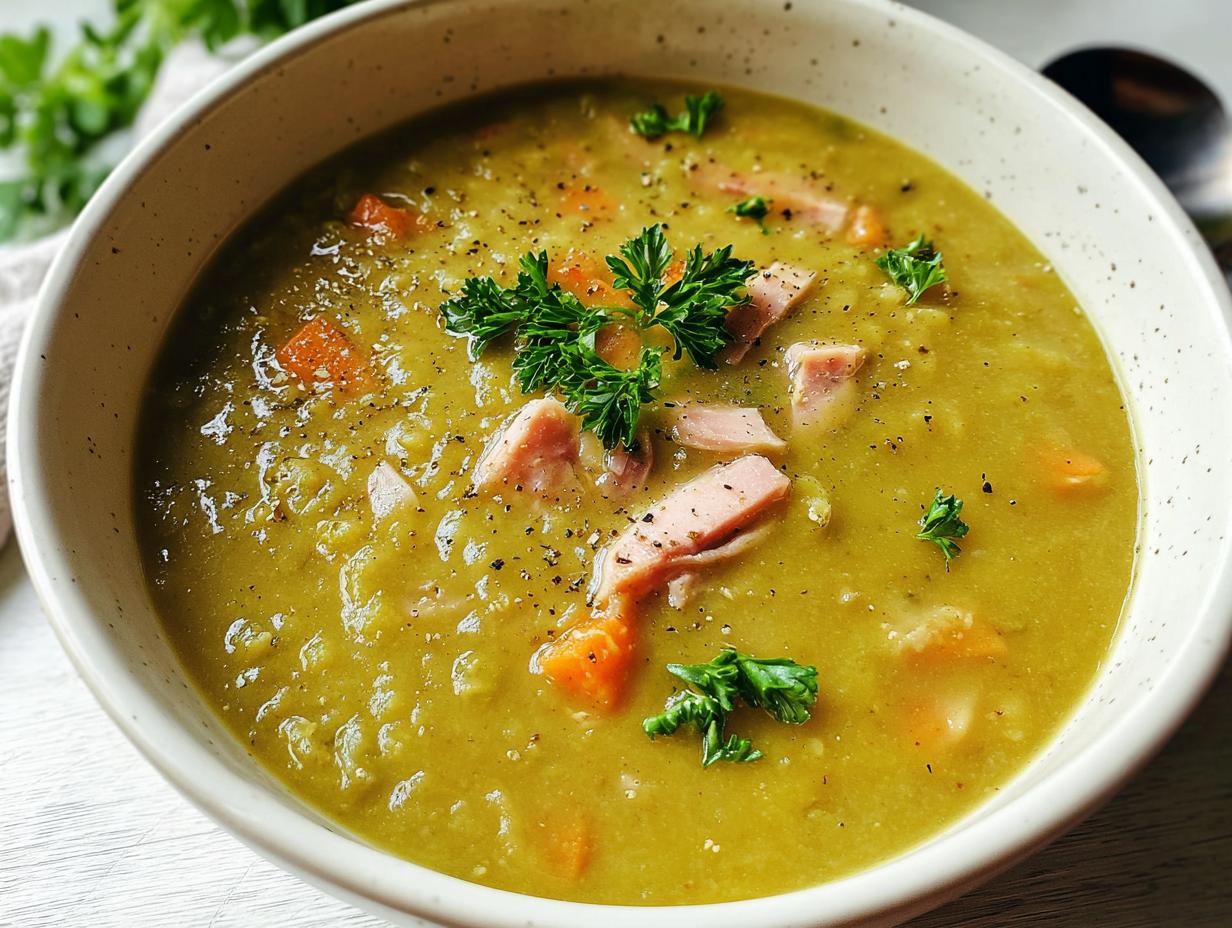
Oh, weeknights! I swear, sometimes after a long day, the *last* thing I want to think about is what’s for dinner. It feels like a marathon sometimes, right? But trust me, I’ve figured out a little secret weapon for those crazy evenings: soup! Seriously, it’s a game-changer. I discovered this firsthand a few years back when I returned from vacation and faced that daunting first week of work. I was exhausted, and the idea of cooking felt impossible. So, I whipped up a big pot of soup, figuring I could just divvy it up for a few nights. As the delicious smells filled my kitchen, I felt this wave of relief. It was this moment that really kicked off my obsession with amazing, quick soup recipes. My whole philosophy as a Tech-Enabled Keto Innovator is about making things smarter and more efficient, and that absolutely applies to the kitchen! Learning How to Make Soup Recipes Like a Pro (2025) is totally doable, even when you’re super busy. It’s all about smart techniques and knowing what works.
Mastering the Art of Soup: Your Pro Guide
Alright, let’s talk soup! This is where the real magic happens, and honestly, it’s not as complicated as you might think. Making a truly amazing soup is all about a few key techniques. Think of it like building a house – you need a solid foundation for everything else to stand on. We’re going to dive into how to get those deep, satisfying flavors and that perfect texture that just screams comfort. Forget bland, boring bowls; we’re aiming for pure deliciousness, every single time. You’ll be whipping up restaurant-quality soups in no time!
Check out these other great soup ideas if you’re looking for more inspiration!
Building Flavor: The Foundation of Great Soup
Flavor is king, right? Start by really sautéing your aromatics – onions, carrots, celery – until they’re soft and a little golden. Don’t just toss them in and expect miracles! This caramelization brings out their natural sweetness. And deglazing? It’s a fancy word for scraping up all those tasty brown bits stuck to the bottom of your pot after sautéing. A splash of broth or wine does the trick and boosts the flavor. Always use good quality broth; it makes a *huge* difference.
Achieving Perfect Soup Texture
So, texture is crucial. Do you want a light, brothy soup, or something thick and creamy? For brothy soups, just simmer away until everything is tender. If you want it thicker, let it simmer uncovered for a bit longer to reduce, or you can use a natural thickener like pureed beans, a roux (flour and butter), or even a cornstarch slurry. Just add thickeners gradually and stir constantly until you get that perfect consistency. Nobody likes a soup that’s too thin or too gloopy!
How to Make Soup Recipes Like a Pro (2025): Split Pea Soup
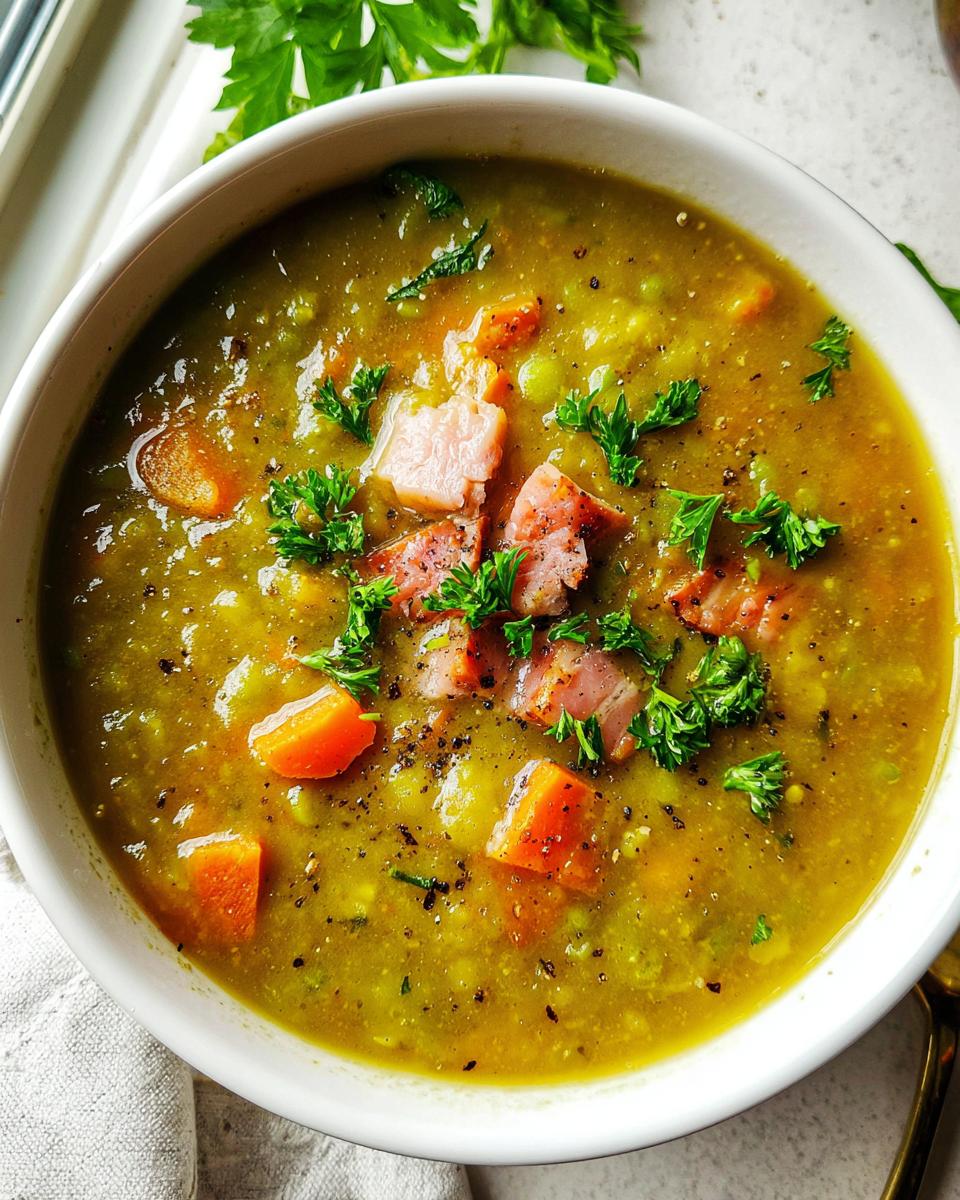
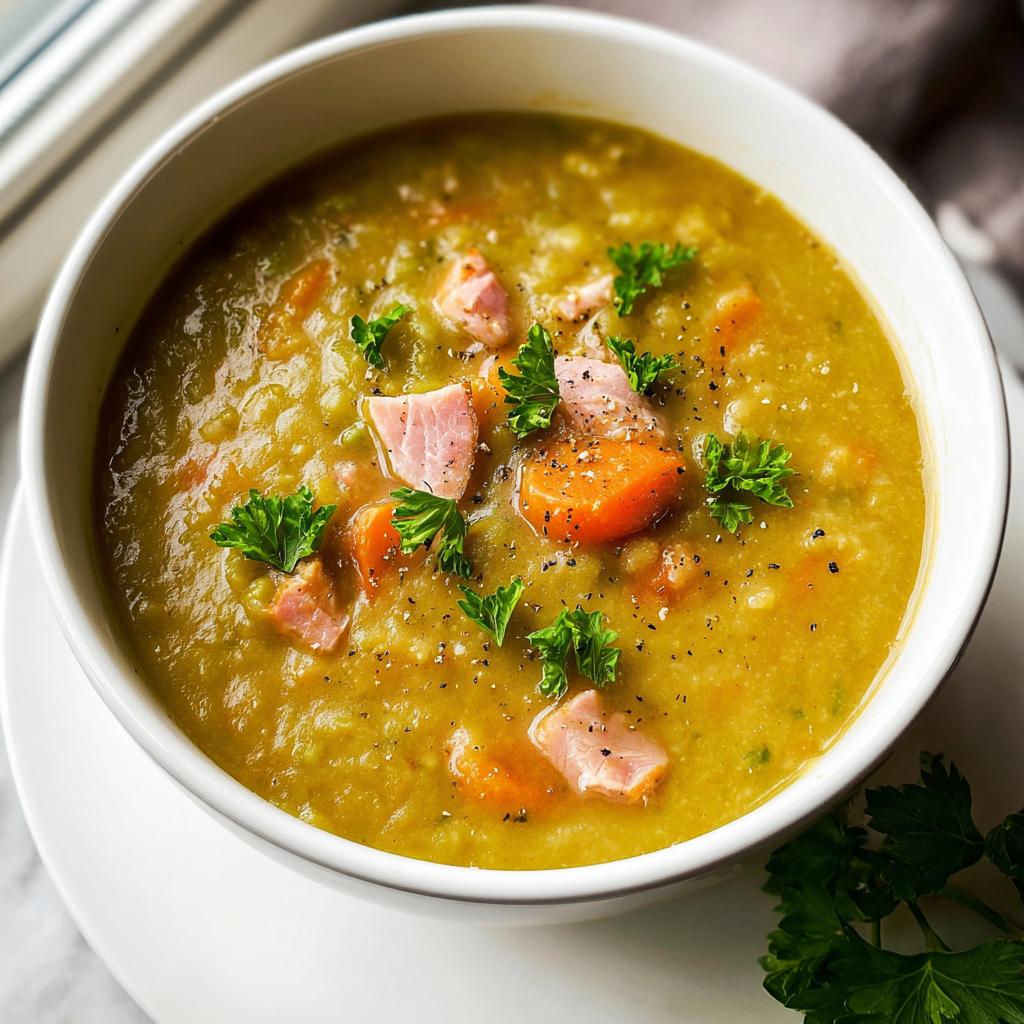
So, we’ve talked about the basics, but now let’s get down to business with a recipe that really shows you How to Make Soup Recipes Like a Pro (2025). This Split Pea Soup is a total winner when you need something hearty and incredibly comforting. It’s the kind of soup that makes you feel all warm and fuzzy inside, perfect for those chilly evenings or just when you need a really satisfying meal. You’ll see just how simple it is to achieve that incredible depth of flavor and perfect texture that makes a soup truly pro-level.
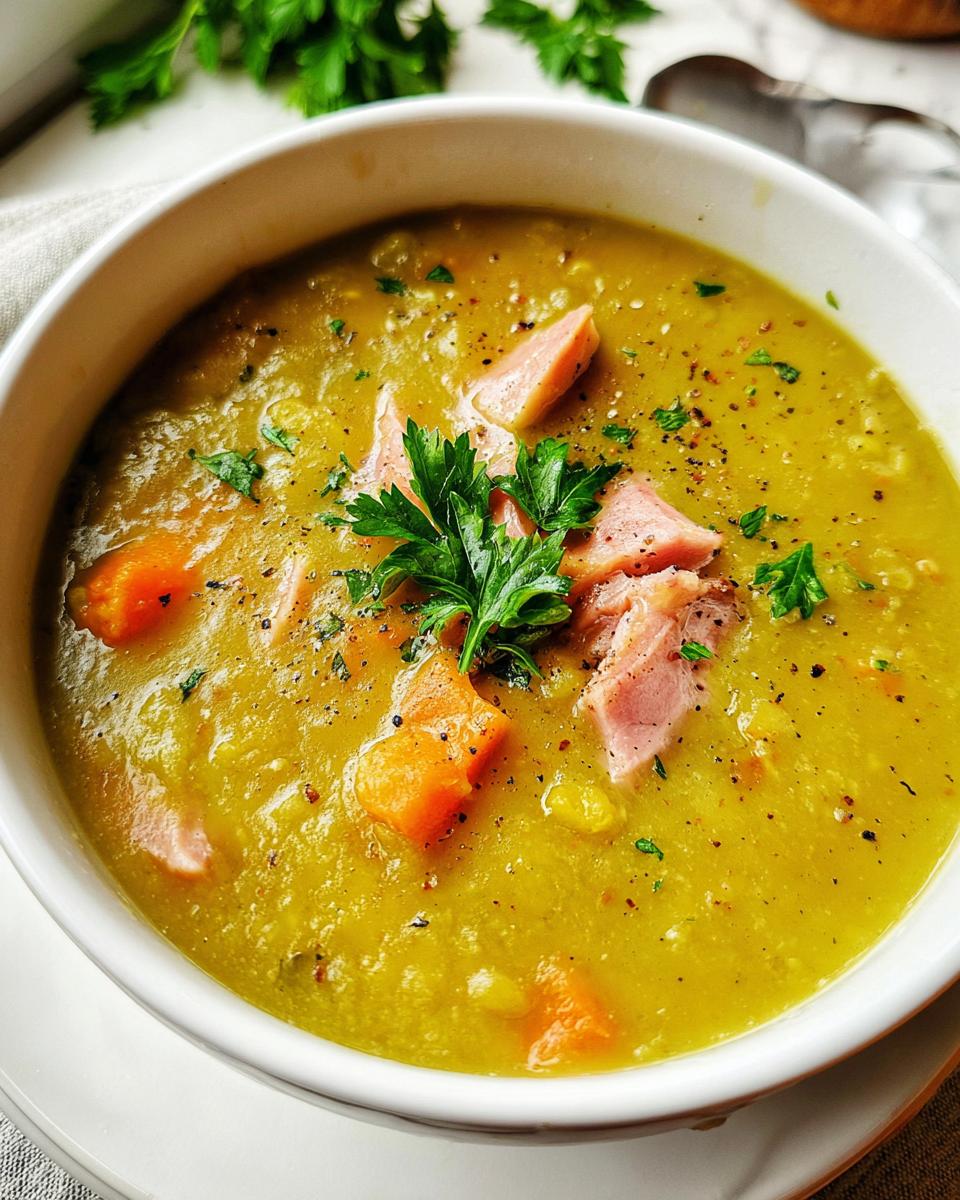
Split Pea Soup Ingredients: What You’ll Need
Okay, for this amazing soup, you’re going to need a few key players. Grab 2 tablespoons of extra-virgin olive oil to get things started. Then, we’ll use 1 medium onion, diced; 3 carrots, also diced; and 3 ribs of celery, diced too. For that garlicky punch, you’ll need 2 cloves of garlic, minced. The star, of course, is 1 pound of dried split peas, make sure to give them a good rinse! Don’t forget 1/2 teaspoon each of dried thyme, kosher salt, and freshly ground black pepper for seasoning. A single bay leaf is a must for that subtle aroma. And for that deep, savory flavor, you absolutely need 1 meaty ham bone. To get it all going, have 4 cups of low-sodium chicken broth ready, plus 3 to 4 cups of water. Lastly, you’ll want about 1 cup of diced ham, which you can get from the ham bone or add in separately. Oh, and some fresh parsley for a nice pop of green garnish!
Step-by-Step Instructions for Split Pea Soup
First things first, grab a big pot or a Dutch oven and heat up your olive oil over medium-high heat. Toss in your diced onion, carrots, and celery. Let them sauté for about 3 to 4 minutes until they start to soften up a bit. Then, add your minced garlic and cook for just another minute until it’s fragrant – don’t let it burn! Next, add in your rinsed split peas, dried thyme, salt, and pepper. Give everything a good stir to combine.
Now, it’s time for the liquids and that all-important ham bone! Add the bay leaf, the ham bone, the chicken broth, and 3 cups of water. Crank it up to bring it all to a boil. Once it’s bubbling, reduce the heat to a simmer, pop a lid on, and let it cook for about 50 to 60 minutes. You’ll want to stir it every so often. You’re looking for the soup to thicken up and for those peas to start breaking down.
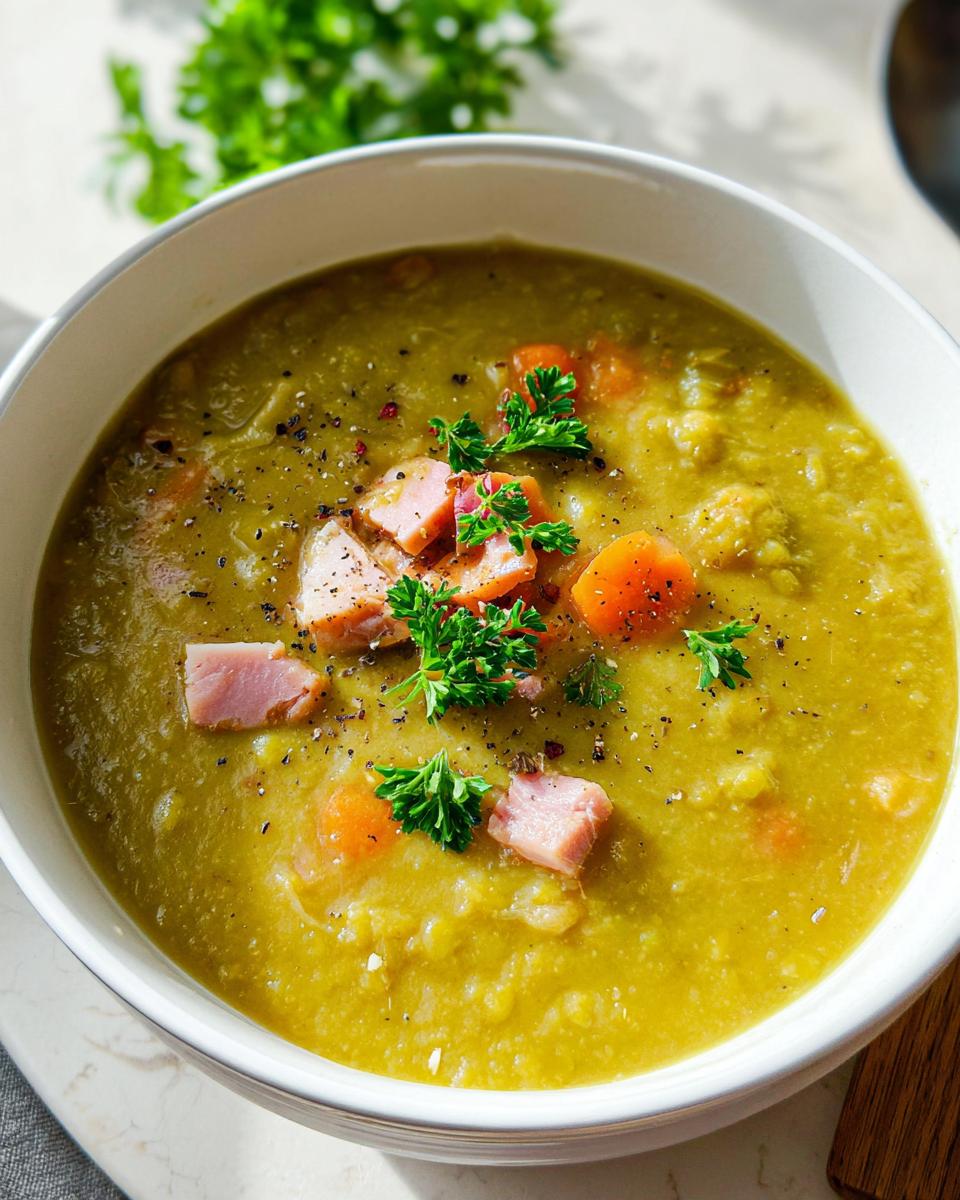
Here’s a crucial step: carefully remove the ham bone using tongs. Set it on a cutting board and pick off any meat you can find – you should get about 1 cup of diced ham. Add this delicious meat back into the pot. Stir it in, and then let the soup simmer uncovered for another 5 to 15 minutes. This is where you can really dial in the thickness. If it’s getting a little too thick for your liking, just stir in another cup of water. Finally, don’t forget to fish out and discard that bay leaf before ladling your soup into bowls. A sprinkle of fresh parsley and a crack of black pepper makes it perfect!
Tips for Perfect Split Pea Soup
The ham bone is really your best friend here for flavor, but if you can’t find one, a leftover ham hock or even just some extra diced ham can work in a pinch, though it won’t be quite the same. Remember that split pea soup gets thicker as it cools and sits, so aim for a consistency that’s slightly thinner than you want it to be when you serve it. You can always add a splash more broth or water later to loosen it up.
Beyond Split Peas: More Pro Soup Recipe Ideas
So, we’ve tackled split pea soup, but the world of soup is HUGE, and there’s so much more to explore! Learning to make soup like a pro isn’t just about one recipe; it’s about understanding different styles and how to make them shine. Whether you’re leaning towards something light and refreshing or rich and creamy, there’s a technique and a flavor profile out there for you. It’s all about building up your soup-making toolkit and getting creative. Ready to dive into some other awesome soup adventures? Check out more delicious recipes that’ll inspire you!
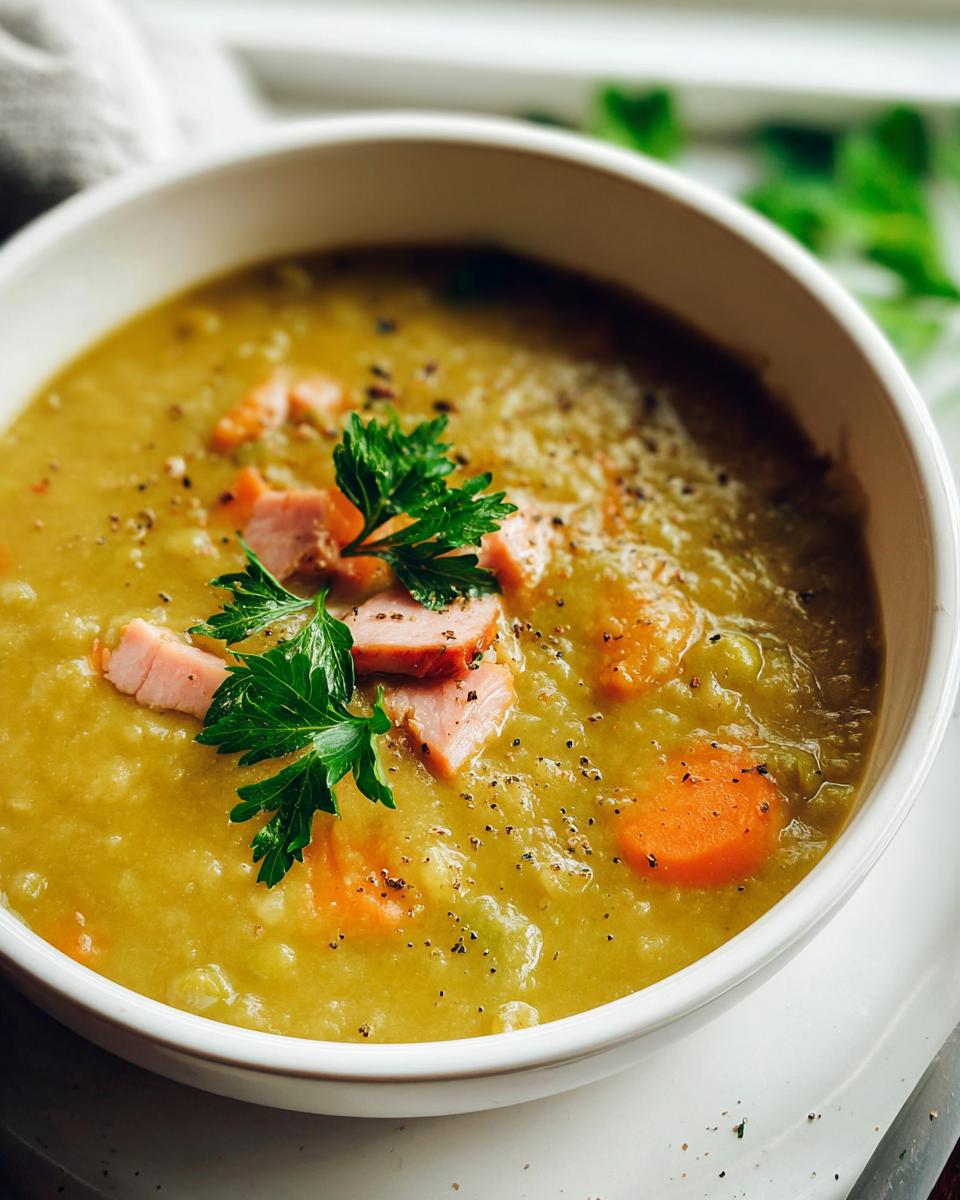
Creamy vs. Brothy: Understanding Soup Styles
You know, soups really fall into two main camps: brothy and creamy. Brothy ones, like a clear chicken noodle or vegetable soup, are all about letting those fresh ingredients and good stock really sing. You focus on building flavor through sautéing and simmering. Creamy soups, on the other hand, are about that luxurious, velvety texture. This often comes from pureeing cooked vegetables, adding dairy like cream or milk, or using a roux. Both are fantastic, just different vibes!
Elevating Your Weeknight Dinner Soups
Want to take your weeknight soup from “just okay” to “wow!”? It’s all about the finishing touches. A swirl of good olive oil, a sprinkle of fresh herbs (parsley, chives, cilantro – whatever fits!), a dollop of sour cream or Greek yogurt, or even some crunchy croutons or toasted seeds can totally transform a bowl. Adding leftover cooked chicken, beans, or even some quick-cooking grains can make it a more substantial and healthy dinner too. Don’t be afraid to get creative with your garnishes!
How to Make Soup Recipes Like a Pro (2025): Essential Equipment
To really nail How to Make Soup Recipes Like a Pro (2025), having the right gear makes a huge difference. Think of our Split Pea Soup – it needs a bit of love to come together perfectly. You don’t need a whole professional kitchen, but a few key tools will totally elevate your soup game and make the whole process smoother and more enjoyable. Let’s talk about what you absolutely need.
Must-Have Tools for Pro Soup Making
First off, a good, heavy-bottomed pot or a Dutch oven is your best friend. It distributes heat evenly, which is crucial for sautéing those aromatics and simmering without scorching. For smoother soups, an immersion blender is a lifesaver – instant creamy texture right in the pot! Even a sturdy pair of tongs for fishing out bones or bay leaves is a small but mighty essential in the soup-making arsenal.
Ingredient Notes and Substitutions for Your Soups
You know, once you get the hang of making soup, you realize it’s super forgiving! Life happens, and sometimes you don’t have *exactly* what the recipe calls for. That’s totally okay! A big part of making soup like a pro is knowing how to be flexible with your ingredients. It’s not about being rigid; it’s about understanding how different elements play together. So, don’t sweat it if you need to make a swap – we’ve all been there. Visit my site for more ideas on adapting recipes!
Smart Swaps for Common Soup Ingredients
Let’s talk about peas for our Split Pea Soup. If you can’t find split peas, lentils are a pretty good substitute, though they’ll cook faster. For broth, if you’re out of chicken broth, vegetable broth works great for most soups, giving you a lighter flavor. And protein? If no ham bone, a smoked turkey leg or even some diced bacon can add that smoky depth. Just remember, subs can change the flavor profile a bit, so taste and adjust as you go!
Making Soups Healthy and Diet-Friendly
Making soup healthy is honestly one of its superpowers! You can load them up with veggies – think extra carrots, greens like spinach or kale, or even some cauliflower. If you’re watching calories, go easy on the oil when sautéing and pick lean proteins. Using low-sodium broths is a big win for sodium control. You can even make hearty, substantial soups that fit into different diets. Sometimes, a really satisfying soup served in a bowl can be just as filling as a rice bowl!
Frequently Asked Questions About Pro Soup Making
So, you’ve got all these amazing soup recipes, but maybe a few questions pop up as you’re making them, right? That’s totally normal! It’s all part of learning how to make soup like a pro. I get asked a bunch of stuff, and I’m happy to clear things up. Don’t worry, these are super common things that most cooks wonder about. And hey, if you have more questions, feel free to reach out on my contact page!
Can I freeze split pea soup?
Absolutely! Split pea soup freezes like a dream. Let it cool completely first, then pop it into airtight containers or freezer bags. It’ll keep for a good 3-4 months. When you’re ready to eat it, just thaw it in the fridge overnight and reheat gently on the stove. It might thicken up a bit, so be ready to add a splash of water or broth.
How to thicken soup without flour?
Oh, there are tons of ways! For split pea soup, just simmering it uncovered longer usually does the trick. You can also mash some of the cooked peas against the side of the pot with your spoon. Other great options include blending in some cooked potatoes or white beans, or even adding pureed cooked vegetables like cauliflower or squash. They add thickness and nutrients!
What are the best vegetables for hearty soups?
For hearty soups, you can’t go wrong with root vegetables like carrots, potatoes, parsnips, and sweet potatoes. They hold up well and add great flavor and substance. Hearty greens like kale and Swiss chard are fantastic too, and don’t forget things like butternut squash, corn, or even beans and lentils. They all add wonderful texture and make your soup super satisfying, almost like a complete meal in a bowl!
Nutritional Snapshot of Your Split Pea Soup
Alright, let’s take a peek at what’s in that delicious bowl of Split Pea Soup! Based on the recipe, each serving (one bowl) is estimated to pack around 397 calories. You’re also looking at about 30 grams of protein, 53 grams of carbohydrates, and 8 grams of fat. It’s a pretty hearty meal, loaded with fiber (around 21 grams!) which is fantastic for keeping you full. Remember, these numbers are just estimates, but they give you a good idea of why this soup is such a satisfying and nutritious choice for dinner!
Share Your Soup Creations!
Now that you’re all set to make soups like a pro, I’d absolutely love to hear about your creations! Did you try the split pea soup? What were your favorite parts? Drop a comment below, give the recipe a star rating, or share your own amazing tips and variations on social media. You can also learn more about my journey over on my ‘About’ page!
Split Pea Soup
Ingredients
Equipment
Method
- Heat the oil in a large pot or Dutch oven over medium-high heat. Add the onion, carrots, and celery, and saute for 3 to 4 minutes. Then add the garlic and saute for another minute.
- Add the split peas, thyme, salt, and pepper. Stir together.
- Add the bay leaf, ham bone, chicken broth, and 3 cups of water. Bring to a boil, reduce the heat to a simmer, cover, and cook for 50 to 60 minutes, stirring occasionally, until the soup has thickened and the peas have broken down.
- Using tongs, remove the ham bone to a cutting board and dice the remaining meat (about 1 cup of diced ham), then add it back to the soup. Stir and simmer uncovered for an additional 5 to 15 minutes, or until it’s thickened to your liking. If it’s too thick, you can add another cup of water.
- Discard the bay leaf, ladle the soup into bowls, and garnish with finely chopped fresh parsley and black pepper.
Nutrition
Notes
Tried this recipe?
Let us know how it was!
Tech-Enabled Keto Innovator
My kitchen runs on code as much as coconut oil. After burning out as a Silicon Valley engineer, I discovered keto through a quantified-self experiment that got wildly out of hand. I was tracking every biomarker while optimizing my brain for coding marathons.
What started as personal optimization became an elaborate system of IoT sensors, smart scales, and algorithms. My apartment turned into a lab with app-controlled sous vide machines and remotely monitored fermentation chambers. Yes, I’m that guy.
My biggest achievement? A machine learning algorithm that suggests recipe modifications based on glucose monitor data. Over 3,000 people beta-tested it with measurably improved results. Instead of static recipes, I create dynamic frameworks that adapt to your exercise data, altitude, and local grocery availability.
Food preparation is just another user interface problem—and like good UX, it should adapt to you.