
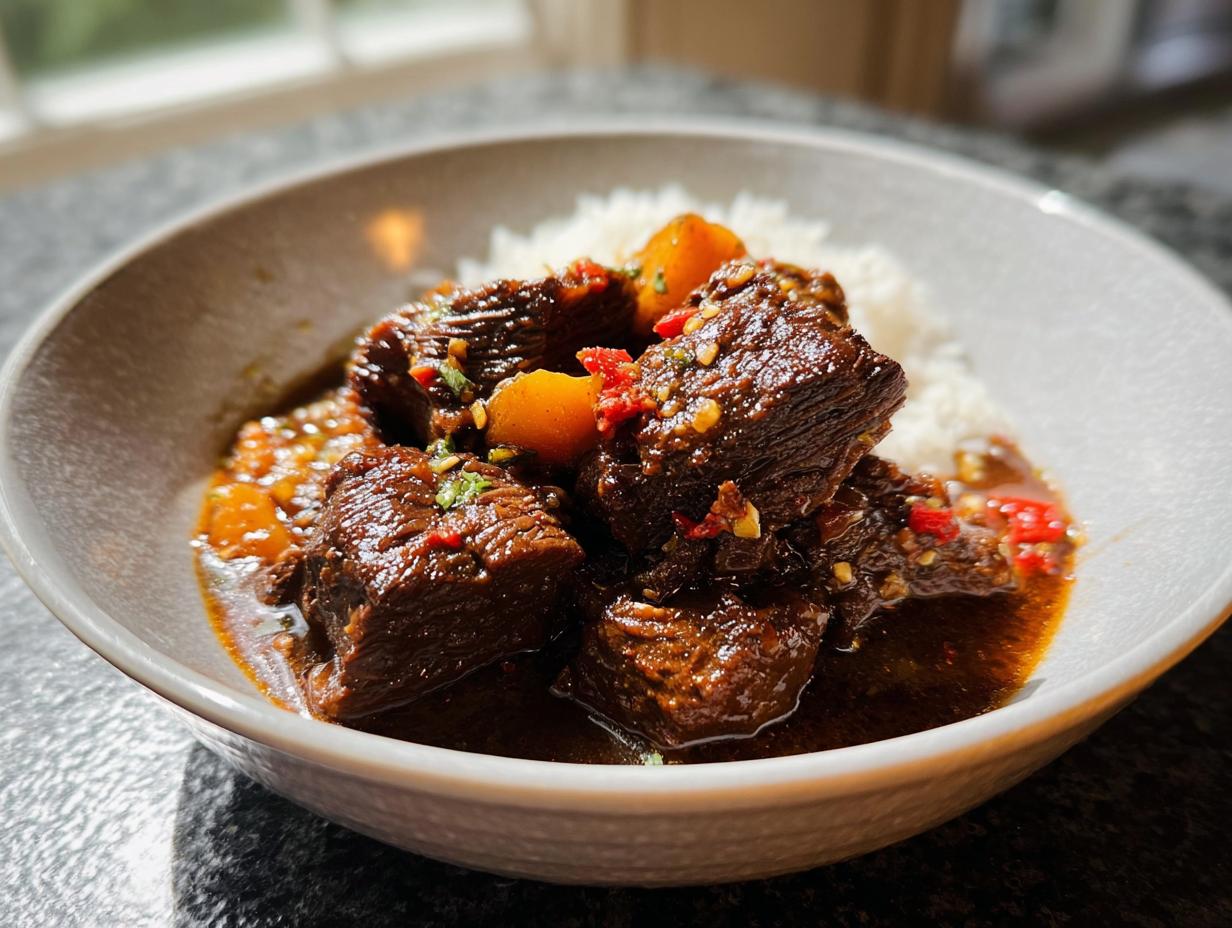
You know, sometimes life just throws a curveball, right? Like that time my family and I were in the middle of a massive move, boxes everywhere, the fridge looking like a sad, empty desert. I was stressed, tired, and honestly, I just needed something *good* to eat that felt like a hug in a bowl. That’s when my go-to, the Korean Style Pot Roast, saved the day. It’s this amazing blend – smoky, savory, a little bit spicy, and oh-so-tender. What makes it so special is how we first kiss it with smoke and then let it slowly braise in a Dutch oven, building layers of flavor that are just incredible. As an Emergency Keto Strategist, I’ve learned that even in the busiest, most chaotic moments, delicious comfort food is always within reach, and this pot roast is proof!
Why You’ll Love This Korean Style Pot Roast
Seriously, this recipe is a game-changer! Here’s why:
- Incredible Flavor: That smoky start combined with the savory, slightly spicy Korean-inspired sauce? Chef’s kiss!
- Melt-in-Your-Mouth Texture: You get that super tender, shreddable beef that just screams comfort.
- Surprisingly Easy: Even with the smoker step, it’s mostly hands-off cooking. Perfect for those crazy busy weeks.
- Total Comfort Food: It’s hearty, satisfying, and brings everyone together at the table. Perfect for feeding the whole family!
Essential Ingredients for Your Korean Style Pot Roast
Alright, let’s talk about what you’ll need to make this amazing Korean Style Pot Roast happen. Don’t worry, most of these are pantry staples or easy to find!
- 3 pounds beef chuck roast: This is your star! Chuck roast has enough fat and connective tissue to get super tender when cooked low and slow.
- ½ teaspoon salt, ½ teaspoon black pepper, and ½ teaspoon garlic powder: Just a simple rub to get things started.
- 2 tablespoons avocado oil or beef tallow: For sautéing; avocado oil has a high smoke point, and tallow adds extra beefy flavor.
- 1 large white onion, chopped: Adds a nice subtle sweetness and base flavor.
- 4 cloves garlic, minced: Because, well, garlic!
- 2 tablespoons gochujang paste: This is the heart of the Korean flavor – a fermented red chili paste that’s savory, a little sweet, and a little spicy.
- 2 tablespoons red miso paste: Adds a deep, umami punch that is just divine.
- 1 tablespoon sriracha: For an extra kick of heat!
- 1 tablespoon garlic chili sauce: More delicious garlic-chili goodness.
- 3 tablespoons soy sauce: For that salty, savory depth.
- 1 tablespoon brown sugar: Just a touch to balance out the spices.
- 6 whole dried chili peppers: These add a gentle warmth and a touch of smoky flavor to the sauce. You can always add more if you like it spicier!
- 2 cups water: To create that wonderful braising liquid.
Equipment Needed for a Perfect Korean Style Pot Roast
You really only need two main players for this recipe, and they’re kind of stars in their own right:
- Smoker: This is where the magic begins, giving our pot roast that amazing smoky foundation.
- Dutch Oven: Your trusty pot for building that incredible sauce and letting the roast braise to absolute perfection.
Step-by-Step Guide to Making Korean Style Pot Roast
Okay, this is where the magic happens! It might sound like a few steps, but trust me, they all come together so beautifully. This is the part that really makes you feel like you’ve accomplished something amazing, even when your world feels a bit chaotic like it did during our big move. It’s so worth it!
Preparing the Roast for Smoking
First things first, let’s get our star, the beef chuck roast, ready to receive all that smoky goodness. I like to pat it nice and dry – this helps the seasonings stick better. Then, we give it a generous rub-down with salt, black pepper, and garlic powder. These simple seasonings are like a warm welcome for the smoke, really helping to build that initial savory flavor base!
Smoking the Roast
Now, for that signature smoky flavor! Get your smoker fired up and set to a nice, gentle 225°F. Once it’s nicely preheated, pop that seasoned roast in there. We’re just giving it a good hour to soak up those lovely smoky notes. Don’t worry if it doesn’t look fully cooked; this is just the first flavor infusion!
Building the Korean-Inspired Sauce
While the roast is getting its smoke bath, let’s get our Dutch oven ready for action. Heat up your avocado oil or tallow over medium heat. Toss in your chopped onion and minced garlic, and let them get nice and fragrant for about 4-5 minutes – you want them softened and smelling amazing! Then, it’s time for the flavor party: stir in the gochujang, red miso paste, sriracha, garlic chili sauce, soy sauce, brown sugar, whole dried chili peppers, and water. Give it all a good stir until everything is combined and starts to gently simmer.
Finishing the Korean Style Pot Roast in the Dutch Oven
Alright, time to bring it all together! Crank your smoker up to 325°F. Carefully place your beautifully smoked roast into the Dutch oven with that simmering Korean-inspired sauce. Put the lid on tight and nestle the whole pot back into the smoker. Let it braise and tenderize for about 3 hours. You’ll want to check on it every 45-60 minutes or so, just to make sure there’s enough liquid. If it’s looking a bit dry, add a splash more water. The goal is for the roast to be so tender that it practically falls apart when you poke it. When it’s fall-apart tender, you’re ready to shred it or chop it up and serve!
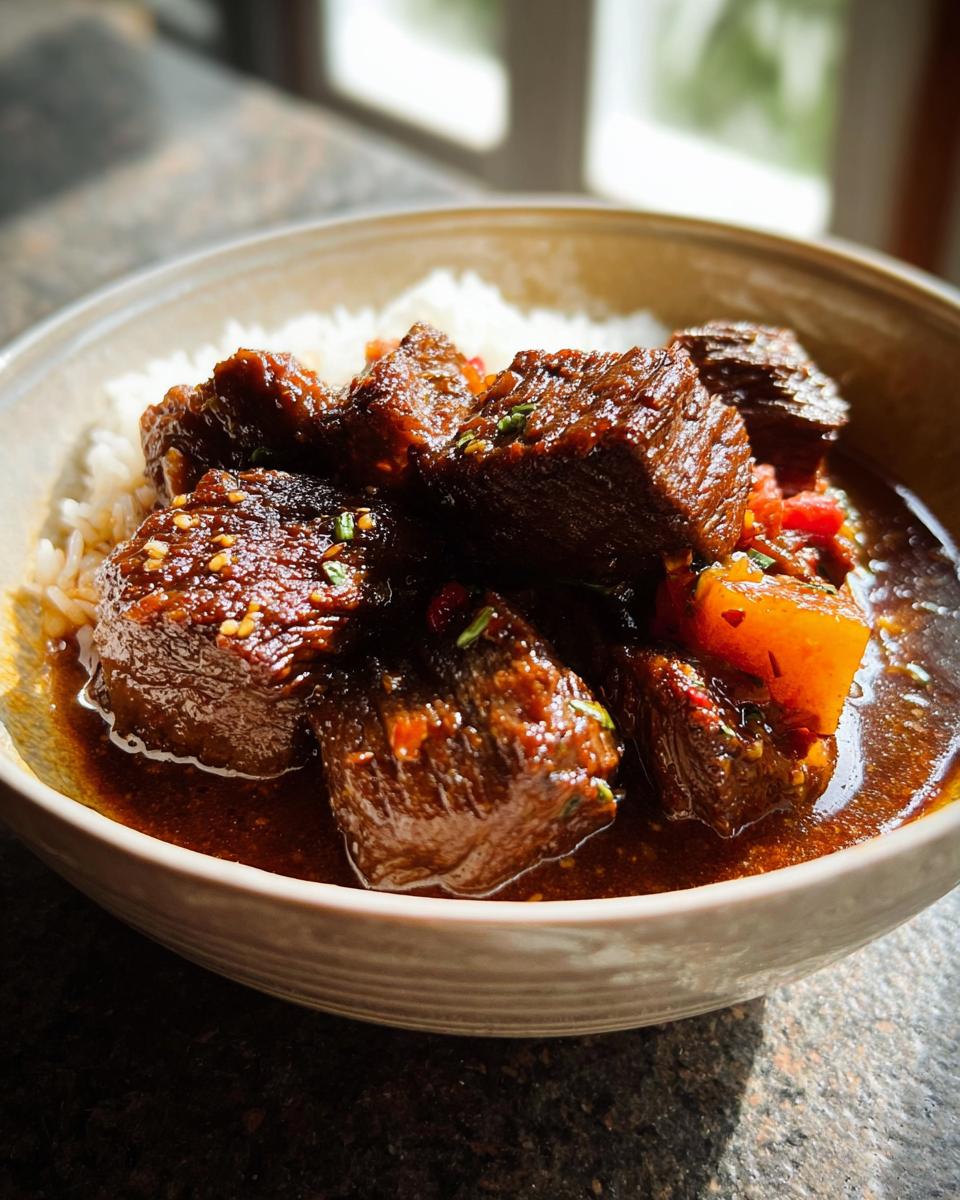
For more details on smoking techniques, this recipe really hits the mark.
Tips for Success with Your Korean Style Pot Roast
You know, a few little tricks can make this Korean Style Pot Roast absolutely sing! First off, chuck roast is your best friend here – it’s got those ribbons of fat that just melt away, making the meat unbelievably tender. Don’t be tempted to use a super lean cut; you’ll miss out on that melt-in-your-mouth texture. When you’re smoking, just keep an eye on that temperature; a steady 225°F for an hour is perfect for flavor without overcooking. And for the sauce? Taste as you go! If you want it spicier, toss in another dried chili pepper or a extra splash of sriracha. It’s all about making it *your* perfect roast. For more great tips on elevating your cooking game, check out how to make chicken recipes like a pro – some of those techniques translate really well!
Ingredient Notes and Substitutions
Okay, let’s chat about a couple of these ingredients that might be new to you! Gochujang paste is really the soul of Korean cooking – it’s a fermented red chili paste that gives you that perfect blend of spicy, savory, and a touch of sweet. If you can’t find it, a mix of sriracha and a little bit of brown sugar might get you close, but it won’t be quite the same. And red miso paste? It brings this incredible umami depth! If you’re desperate, some recipes suggest a tiny bit of Marmite or even extra soy sauce, but honestly, seeking out miso is worth it for that rich flavor. For more swaps and tricks, especially if you’re into easy main dishes, check out this guide on chicken recipes; it’s packed with smart kitchen ideas!
Serving Suggestions for Your Korean Style Pot Roast
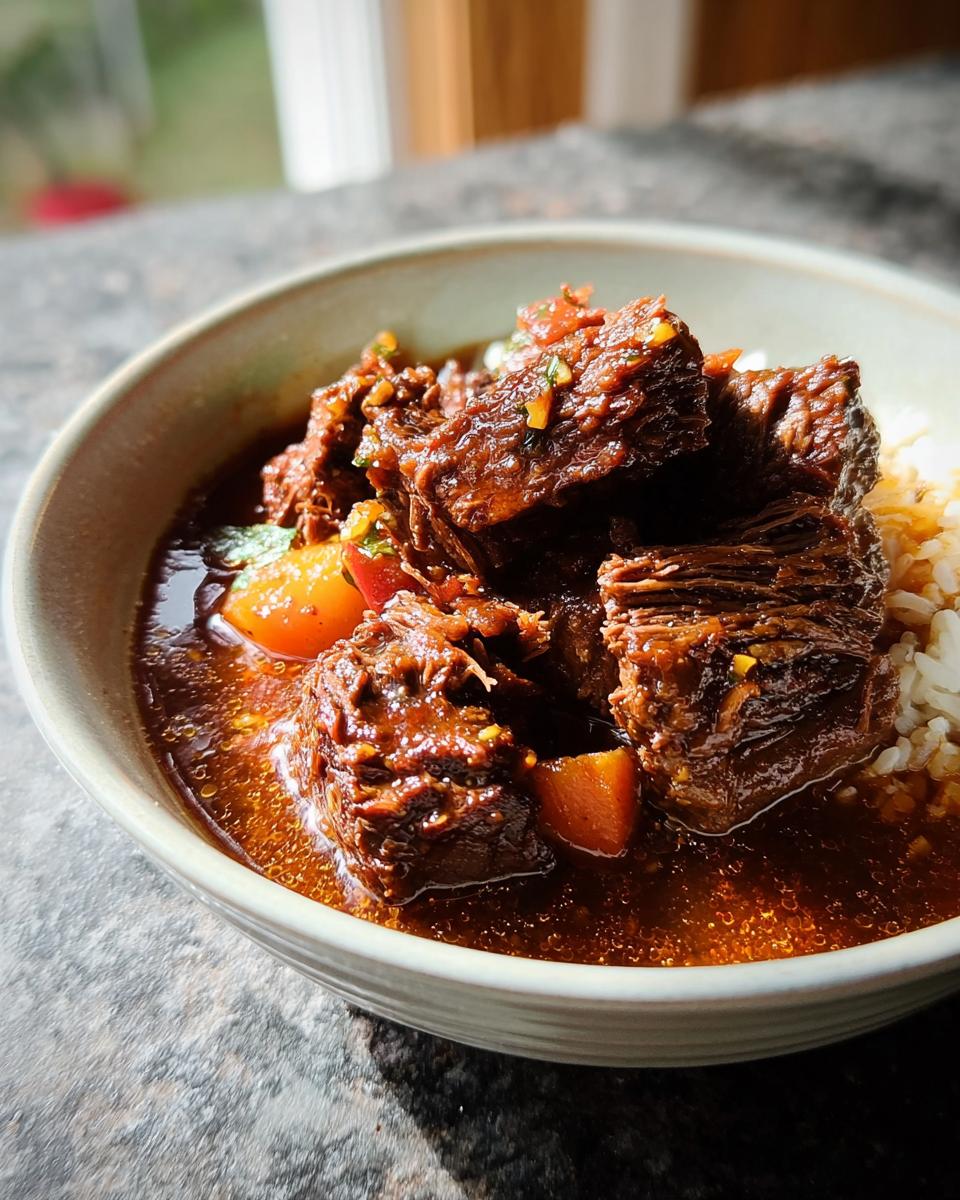
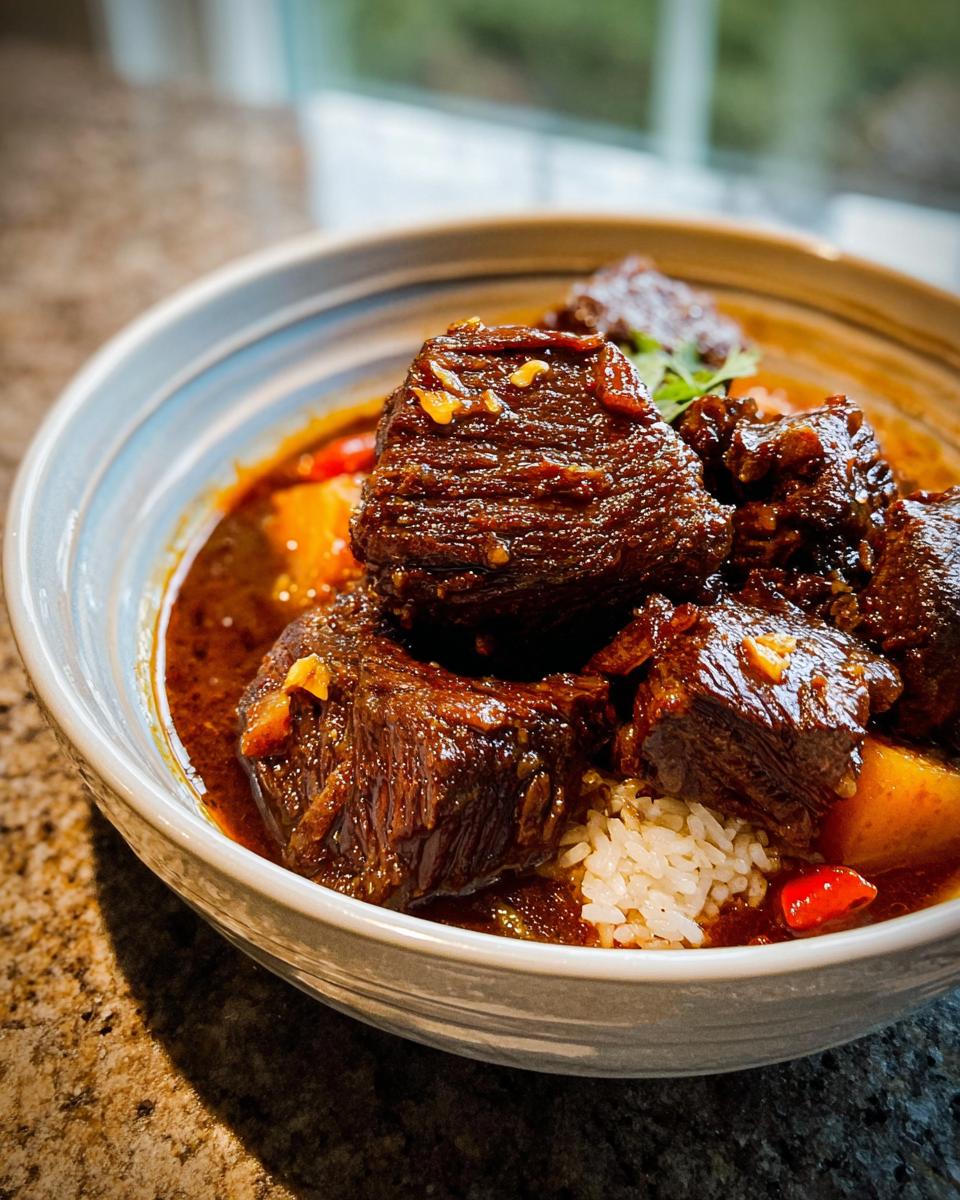
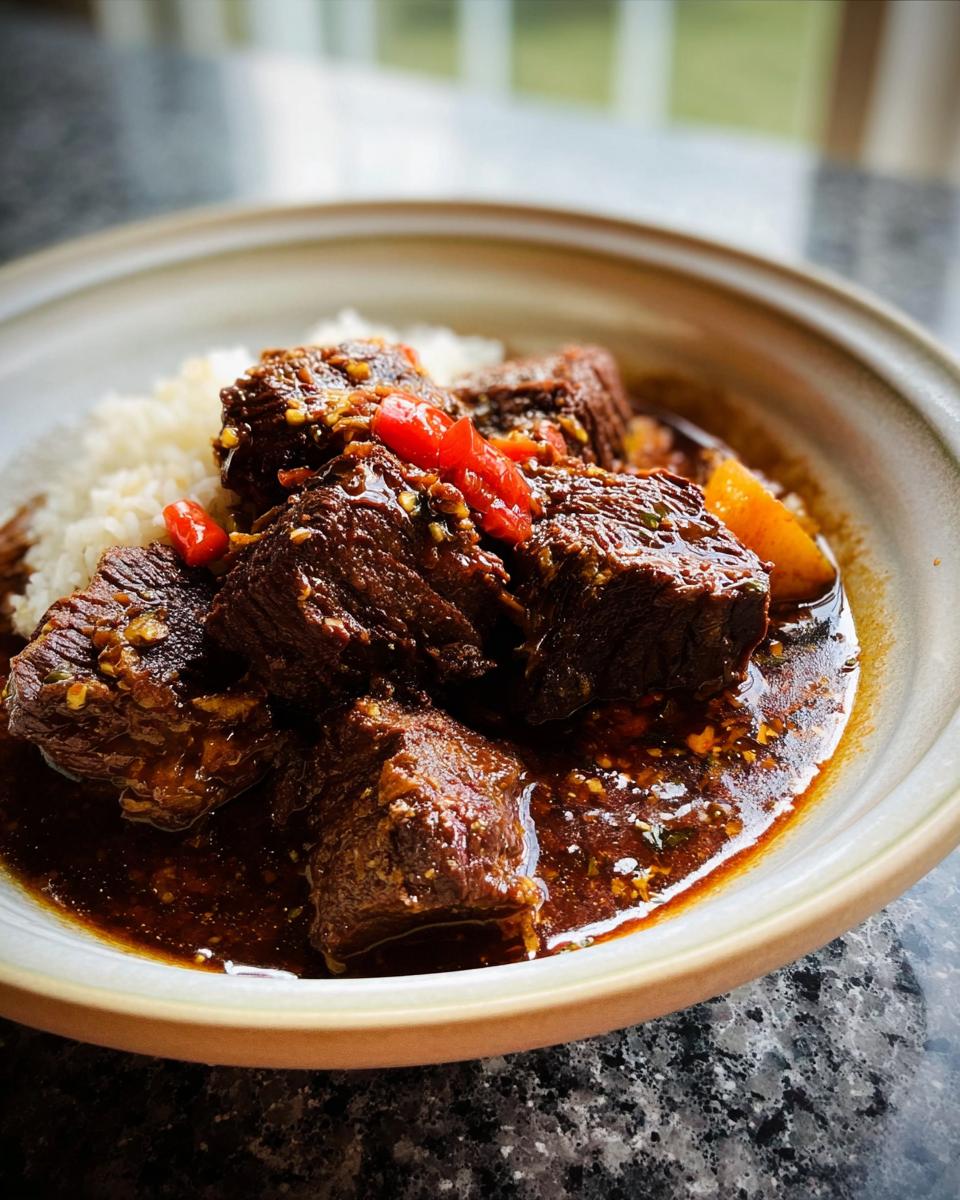
When this Korean Style Pot Roast comes out of the oven, it’s practically begging for some delicious friends to join it on the plate! My favorite way to serve it? Over a steaming bed of fluffy white rice – it’s perfect for soaking up all that amazing sauce. You could also whip up some quick stir-fried veggies like broccoli, bell peppers, and snap peas. And of course, no Korean flavor party is complete without a little bit of kimchi on the side! It adds that perfect tangy, spicy counterpoint. For more ideas on awesome rice bowl creations, you’ve gotta check out these rice bowl recipes; they’re fantastic for meal prep too!
Storage and Reheating Instructions
Got leftovers? Lucky you! Once your Korean Style Pot Roast has cooled, stash it in an airtight container in the fridge for up to 3 days. It’s often even tastier the next day! To reheat, the best way is to gently warm it in a saucepan over low heat with a splash of water or broth, or you can microwave it until heated through. This helps keep that incredible tenderness. For more tips on making weeknight dinners a breeze, check out these easy dinner recipes; meal prep is key!
Frequently Asked Questions about Korean Style Pot Roast
Got burning questions about this recipe? I’ve got you covered! Here are some common ones I get about my Korean Style Pot Roast. If you have more, don’t hesitate to reach out via the contact page!
Can I make Korean Style Pot Roast without a Smoker?
Oh, absolutely! If you don’t have a smoker, don’t you worry. You can achieve a fantastic flavor by searing the roast really well on all sides in a hot pan before you put it into the Dutch oven. You might even add a tiny bit of liquid smoke to the sauce if you like, but honestly, the amazing sauce alone makes it delicious!
What’s the Best Beef Cut for Pot Roast?
For pot roast, you really want a cut with good marbling, like beef chuck roast, which is what I used here. It has those lovely fat pockets that break down during slow cooking, making the meat super tender and flavorful. Other good options include beef brisket or even beef shoulder.
How Spicy is this Korean Style Pot Roast?
It’s got a nice little kick, but it’s not overwhelmingly fiery! The gochujang and sriracha bring a pleasant warmth. If you’re super sensitive to spice, you can reduce the sriracha and maybe even omit the dried chili peppers. If you love heat like I do, feel free to add more sriracha or even some fresh chili!
Estimated Nutritional Information
Just a heads-up, the nutritional info for this Korean Style Pot Roast is an estimate, okay? Things can change depending on the exact brands you use and how much you ladle onto your plate! But generally, expect around 373 calories per serving, with about 34g of protein, 7g of carbs, and 23g of fat. It’s a hearty dish that’s packed with flavor and can totally fit into a balanced meal plan. For more ideas on healthy eating, check out these healthy meal prep recipes!
Share Your Korean Style Pot Roast Creations!
I’d absolutely LOVE to see your takes on this Korean Style Pot Roast! Did you try it during a crazy week? Did it become your new family favorite? Drop a comment below with your thoughts, give it a star rating, or tag me on social media with a picture of your amazing creation! I can’t wait to see how you made it your own. For more inspiration, check out the About Me page!
Korean Style Pot Roast
Ingredients
Equipment
Method
- Season the beef roast with salt, pepper, and garlic powder.
- Preheat your smoker to 225°F. Add the seasoned roast to the smoker and let smoke for 1 hour.
- Preheat your Dutch oven on the stovetop with the avocado oil. Add the onion and garlic and saute over medium heat for 4-5 minutes.
- Add the rest of the ingredients to the pot. Stir until combined, and bring to a simmer.
- Increase the temperature of the smoker to 325°F. Add the roast back to the pot and place the whole pot into the smoker.
- Let cook for about 3 hours, or until the roast is tender and easily shreddable. Check every 45-60 minutes, and add a bit of water if necessary.
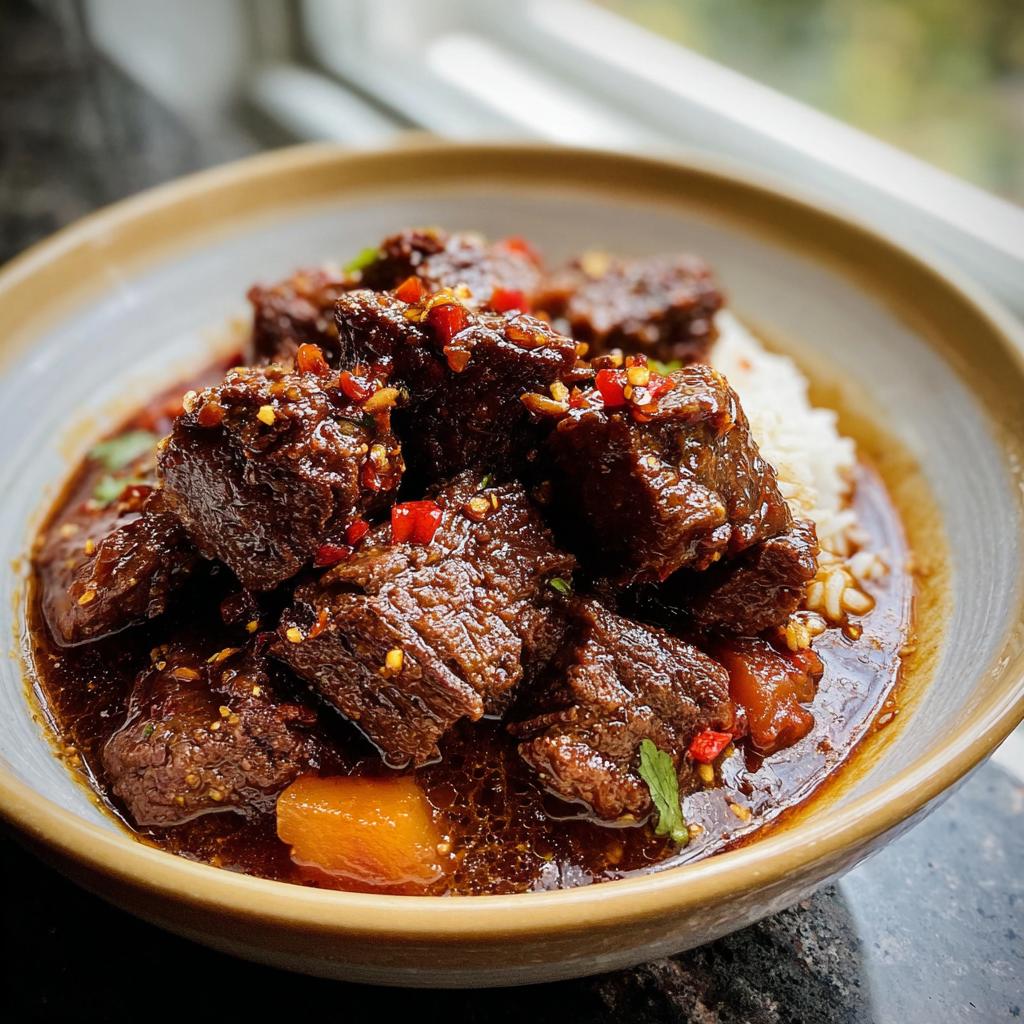
- Shred and serve, or cut up chunks to serve. Pictured here served with stir-fried vegetables and steamed rice.
Nutrition
Notes
Tried this recipe?
Let us know how it was!
Seasonal Keto Forager
My kitchen windowsill tells my story: mason jars filled with foraged wild mushrooms, elderflower cordial, and pickled ramps. Those childhood summers with my grandmother in Vermont, learning to identify edible plants, became my career when I realized most wild foods are already perfectly keto.
After my Environmental Science Master’s, I chose an unconventional path: rediscovering forgotten wild foods that naturally align with low-carb living. Why eat sad cauliflower when the forest is full of incredible flavors waiting to be sustainably harvested?
My seasonal collections follow nature’s rhythm—spring nettles, summer berries, autumn acorns, winter roots. My maple syrup alternative made from birch sap got national attention. I lead foraging workshops through the Appalachian Mountain Club, teaching sustainable wild food identification.
The earth provides everything we need if we remember how to listen—keto just helps us appreciate that nature got it right the first time.