
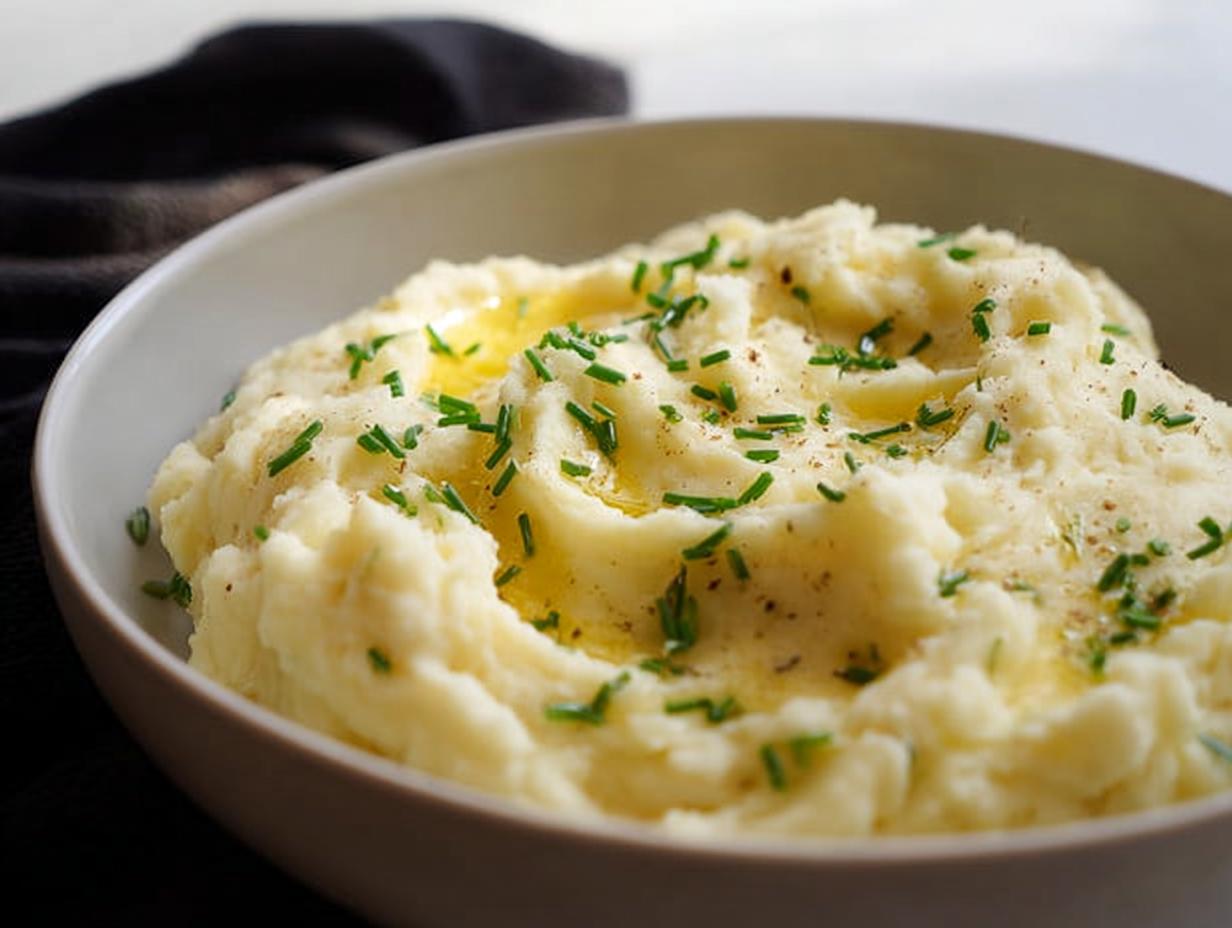
Hey there, beginner cooks! Ever stare at a bag of potatoes and think, ‘How do I even start?’ Trust me, I’ve been there! My very first attempt at making mashed potatoes for a family gathering totally sent me into a panic. I remember nervously peeling those guys, praying they wouldn’t turn into gluey goo. But you know what? As I mashed them with butter and just the right amount of cream, they transformed into this amazing, fluffy bowl of comfort. Seeing everyone dig in with smiles made all the stress melt away. That’s exactly the kind of magic you’re going to unlock with The Ultimate Mashed Potatoes Recipes Guide for Beginners. I’ve put together a super simple, no-fail way to get amazing mashed potatoes every single time.
Why This The Ultimate Mashed Potatoes Recipes Guide for Beginners
Alright, so why should you trust *this* guide for your mashed potato journey? Well, I designed it specifically for you – the awesome folks who are just starting out! We cut through all the confusing stuff and focus on super clear, step-by-step instructions that guarantee delicious results. You’ll see how easy it is to make incredible mashed potatoes that are pure comfort food. Forget lumpy potatoes or flavorless mush; we’re aiming for creamy perfection here!
Simple Steps for Perfect Mashed Potatoes
Seriously, it’s just a few simple things! First, we get those potatoes perfectly boiled so they’re tender and ready to go. Then, it’s about mashing ’em just right – not too much, not too little! Finally, we add in those key ingredients like butter and cream, season it up, and boom! Instant creamy deliciousness. It’s all about making the process foolproof so you can totally nail it.
Essential Ingredients for Creamy Mashed Potatoes
The magic really happens with a few key players. We’re talking good quality butter for that rich flavor and smooth texture, and some creamy half-and-half to get it just right. Don’t worry, I’ll tell you exactly what to look for and why these simple ingredients make all the difference in your mashed potatoes.
Ingredients for The Ultimate Mashed Potatoes Recipes Guide for Beginners
Okay, let’s talk about what you’ll need to make these amazing mashed potatoes. I’ve picked out ingredients that are easy to find and really make a difference in taste and texture. For the potatoes themselves, we’re going with 2 pounds of yellow potatoes, also sometimes called Butter or Yukon Gold. They’re just perfect for mashing because they’re a little waxy and hold their shape beautifully. Make sure you have about 1 tablespoon of Kosher salt for boiling – salt is super important for flavor right from the start!
Now, for turning those boiled potatoes into creamy magic, you’ll want 2 ounces of good quality unsalted butter. Think Kerrygold or Vermont Creamery if you can find them, but any good unsalted butter will work wonderfully. To make them super creamy, we’ll add 1/2 cup of half and half. And of course, no mash is complete without 1/2 teaspoon of fresh ground black pepper and another 1/2 teaspoon of Kosher salt to really make those flavors pop.
If you want to get fancy, or just add a little extra zing, we have optional garnishes: 1 tablespoon of melted unsalted butter, 2 teaspoons of fresh chopped chives, a pinch of fresh cracked black pepper, and a sprinkle of flaky sea salt like Maldon. These little touches really elevate everything!
How to Make The Ultimate Mashed Potatoes Recipes Guide for Beginners
Alright, let’s get these potatoes from the pot to perfection! This is where the magic really happens, and I promise it’s easier than you think. Follow these steps for The Ultimate Mashed Potatoes Recipes Guide for Beginners, and you’ll be serving up a side dish everyone will rave about. It takes a little patience, but the result is totally worth it, just like finding a great keto skillet meal on a busy weeknight!
Step 1: Preparing the Potatoes
First things first, you can peel your potatoes if you like that super smooth texture, or just scrub them really well and go for a rustic skin-on mash – your call! Then, cut them into evenly sized chunks, about the size of a big egg or so. This helps them cook evenly. Pop them into your pot and cover them with cold water. This is a little trick – cold water helps them cook up better and prevents the outside from getting mushy before the inside is done. The cold water also keeps them from turning brown if you prep them a little ahead of time.
Step 2: Boiling and Draining
Now, pour in about a tablespoon of Kosher salt into that cold water. Don’t skip the salt here; it’s crucial for flavoring the potatoes from the inside out! Put a lid on the pot and set it over medium-high heat. You want to bring it to a gentle boil, and this usually takes about 25 to 30 minutes. How do you know they’re ready? Just poke a piece of potato with a fork. If the fork slides in easily with no resistance, they’re done! If not, give them another few minutes. Once they’re tender, drain them really well, and then put that empty pot back on the stove over low heat for a minute. This helps get rid of any extra steam or water clinging to the pot!
Step 3: Mashing and Seasoning
This is the fun part! While the pot is warming up, add your butter, half and half, the other half teaspoon of Kosher salt, and your fresh cracked black pepper. Stir it slowly until the butter is melty and everything is combined. Bring it just to a gentle simmer, then turn off the heat. Now, dump those beautifully drained potatoes back into the pot. Grab your potato masher and go to town! Mash them until they’re just right – you want them creamy but not like wallpaper paste. Gently fold in those buttery, creamy goodness bits. Give it a taste! Does it need a little more salt? A dash more pepper? This is your moment to make it perfect. For more on perfecting your mash, check out this ultimate mashed potatoes recipe.
Step 4: Garnishing and Serving
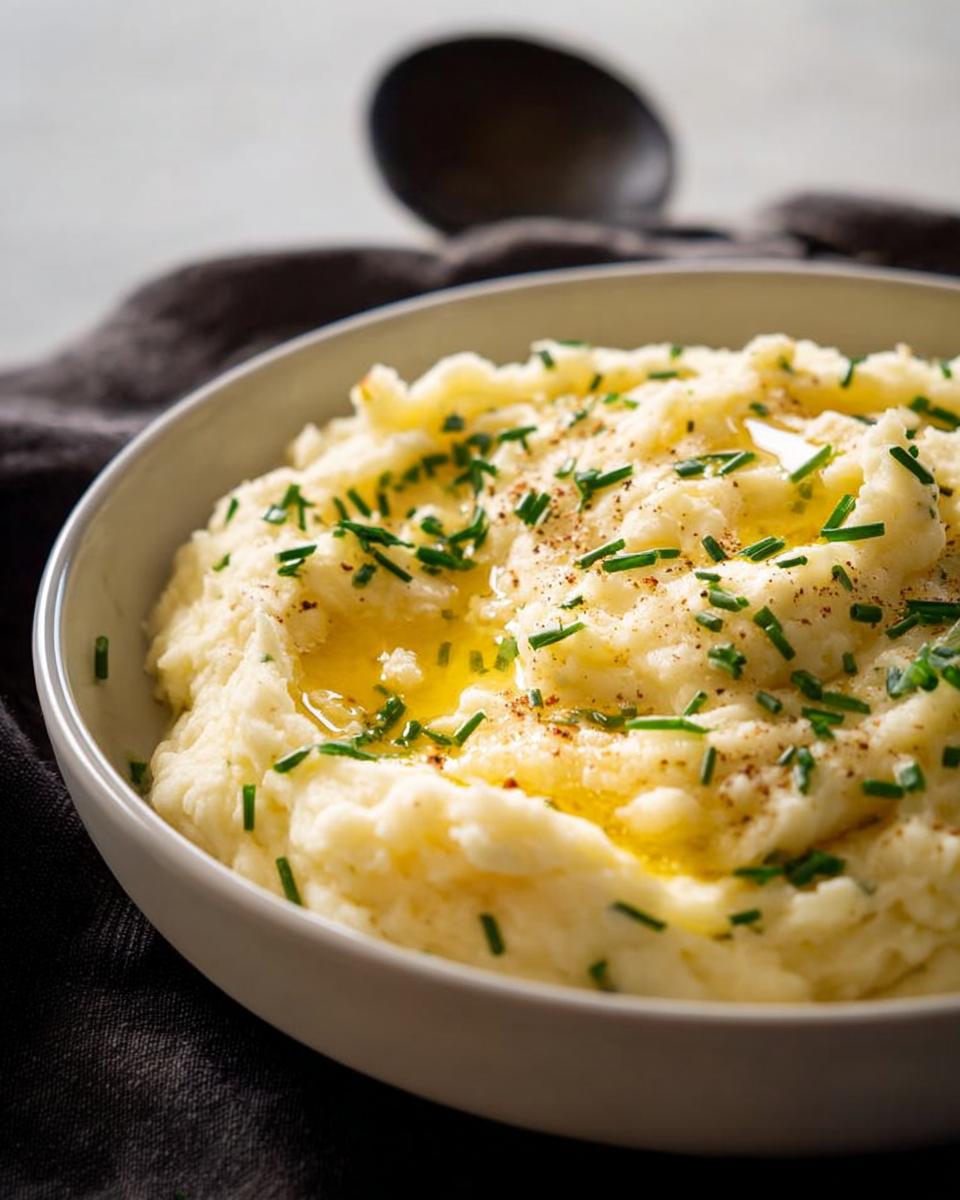
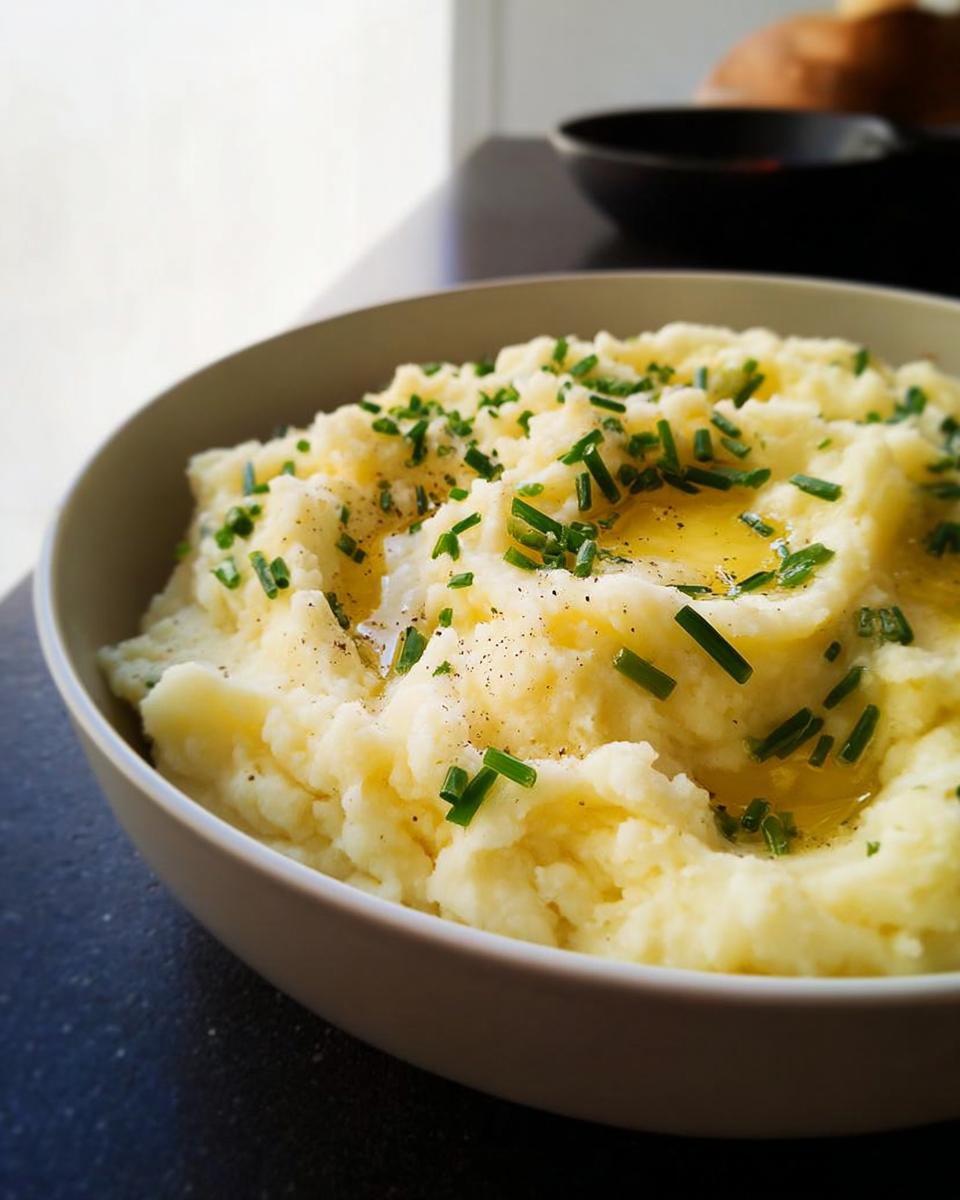
Scoop those glorious mashed potatoes into your favorite serving bowl. You can swirl the top with the back of a spoon to make it look all fancy if you want! Then, drizzle on that extra melted butter, sprinkle with fresh chopped chives for a pop of green, a little more cracked black pepper, and a pinch of flaky sea salt for that gourmet finish. Serve them up hot and enjoy the fruits of your labor!
Tips for The Ultimate Mashed Potatoes Recipes Guide for Beginners
Okay, so you’ve got the basic steps down, but let’s chat about a few insider tips that will take your mashed potatoes from good to *gasp-worthy*! This section is all about giving you that extra confidence. We’ll cover the potato choices and the best ways to mash them so you get that perfect, creamy texture every single time. Following The Ultimate Mashed Potatoes Recipes Guide for Beginners is your secret weapon! You can also check out more tips and tricks over on my About Page.
Choosing the Right Potatoes
This is more important than you might think! For that super creamy, dreamy mash, you really want to go for starchy or all-purpose potatoes. Yellow potatoes, like Yukon Golds, are my absolute favorite because they have a lovely buttery flavor and hold their texture without getting watery. Russets work too, but they can sometimes turn a bit gummy if you’re not careful. Trust me, the potato choice makes a world of difference!
Mashing Techniques for Texture
So, you’ve boiled those beautiful potatoes. Now what? The key here is *gentle* mashing. A classic potato masher is totally fine and gives you that slightly rustic, homey feel. If you’re aiming for super smooth, like a cloud, a potato ricer is fantastic – it pushes the potatoes through little holes for an incredibly light texture. A food mill works wonders too! What you *really* want to avoid is over-mashing, especially with an electric mixer. That’s a fast track to gummy, gluey potatoes, and nobody wants that. Keep it gentle!

Ingredient Notes and Substitutions
Let’s dive a little deeper into those ingredients because the little things really make a difference! For the Kosher salt, remember that different brands can vary in saltiness, so always taste as you go. If you can’t find Kosher salt, you can use regular table salt, but you’ll need a bit less – maybe start with half the amount and add more if needed. And that good-quality butter? It really adds a lovely richness, but if you only have salted butter on hand, just omit the extra salt in the mashing step.
For the creamy half-and-half, you can totally swap it out! Heavy cream will make them even richer, while whole milk works in a pinch if that’s what you’ve got. For anyone looking for dairy-free options, try using unsweetened almond milk or oat milk and a plant-based butter substitute. It might change the flavor profile a tiny bit, but you’ll still get wonderfully creamy mashed potatoes!
Serving Suggestions for Your Mashed Potatoes
Now that you’ve mastered the perfect mashed potatoes, what do you serve them with? Oh, the possibilities are endless! They’re the ultimate comfort food, so think classic pairings. A savory meatloaf is *chef’s kiss* with a dollop of creamy mash. Roasted chicken? Absolutely! Or maybe some pan-seared salmon for a lighter touch. These mashed potatoes are truly the king of sides and go with almost anything, from your favorite weeknight dinners to holiday feasts. Check out more great recipe ideas here!

Storing and Reheating Leftover Mashed Potatoes
So, you managed to make a glorious batch of mashed potatoes, and there are *some* leftovers? Lucky you! Storing them is super simple. Just pop them into an airtight container once they’ve cooled down a bit. Don’t leave them sitting out for too long, food safety first, right? They’ll stay yummy in the fridge for about 5-6 days.
When you’re ready to enjoy them again, you have a couple of great options. My favorite is to gently reheat them on the stovetop. Just put them in a saucepan over low heat, stir them occasionally, and add a splash more butter or half-and-half if they seem a little stiff. You can also pop them into a slow cooker on low for a couple of hours, stirring occasionally. This method keeps them nice and creamy, just like they were fresh!
Frequently Asked Questions about Mashed Potatoes
Got questions about these wonderful mashed potatoes? You’re not alone! It’s totally normal to wonder about a few things when you’re just starting out. Don’t worry, I’ve got you covered with answers to common beginner queries. Check out my Contact Page if you have even more questions!
Why are my mashed potatoes gummy?
Oh, the dreaded gummy mash! This usually happens if you overwork the potatoes, especially with an electric mixer, or if you use a potato that’s too high in starch. For the best texture, mash gently by hand. If they’re already a little gummy, stir in a tiny bit more warm half-and-half or butter.
Can I make mashed potatoes ahead of time?
Totally! You can absolutely make them a bit ahead. Once they’re made, let them cool slightly and then store them in an airtight container in the fridge. To reheat, gently warm them on the stovetop with a splash of milk or butter, stirring often, or pop them in a slow cooker on low.
What is the best potato for mashing?
For that super creamy and fluffy texture, yellow potatoes like Yukon Golds are usually the winners. They have a great balance of starch and moisture that makes them perfect for mashing without getting gluey. Russets are good too, but tend to be a bit fluffier and can get gummy if you’re not careful!
Nutritional Information
Just so you know, the nutritional info can vary a bit depending on exactly what you use, but generally, a serving of these delicious mashed potatoes is around 415 calories. You’re looking at about 56g of carbs, 5.5g of protein, and 19g of fat. These numbers are just estimates to give you an idea!
Share Your Mashed Potato Creations!
Alright, my fellow beginner chefs, you’ve done it! You’ve tackled the ultimate mashed potato guide and hopefully created something absolutely delicious. Now, I want to hear ALL about it! Did you try my tips? Did they turn out perfectly creamy? Leave a comment below, rate this recipe, or even tag me on social media with your amazing mashed potato masterpieces. It really helps me know what you love and helps other cooks feel confident too! For more on how we do things around here, check out the Terms of Service.
The Ultimate Mashed Potatoes Recipes Guide for Beginners
Ingredients
Equipment
Method
- Peel the potatoes if desired. Cut them into evenly sized pieces, about 2.5 inches. Place the potato pieces in a pot and cover with cold water (about 6-8 cups). You can cook them immediately or cover and set aside for a few hours; the cold water prevents browning.
- Add 1 Tablespoon of Kosher salt to the water. Cover the pot and place it over medium to medium-high heat. Bring the water to a low boil, which should take about 25-30 minutes. Test for doneness by piercing a potato with a fork; it should slide in easily. If not, cook for another 3-4 minutes. Drain the potatoes and return the empty pot to the stove.
- Return the empty pot to the stove over low heat. Add the butter, half and half, salt, and pepper. Stir until combined and bring to a low simmer, then turn off the heat. Return the drained potatoes to the pot. Mash the potatoes using your preferred method, being careful not to overwork them for the best texture. Gently fold everything together with a spoon or spatula. Taste and adjust seasoning if needed.
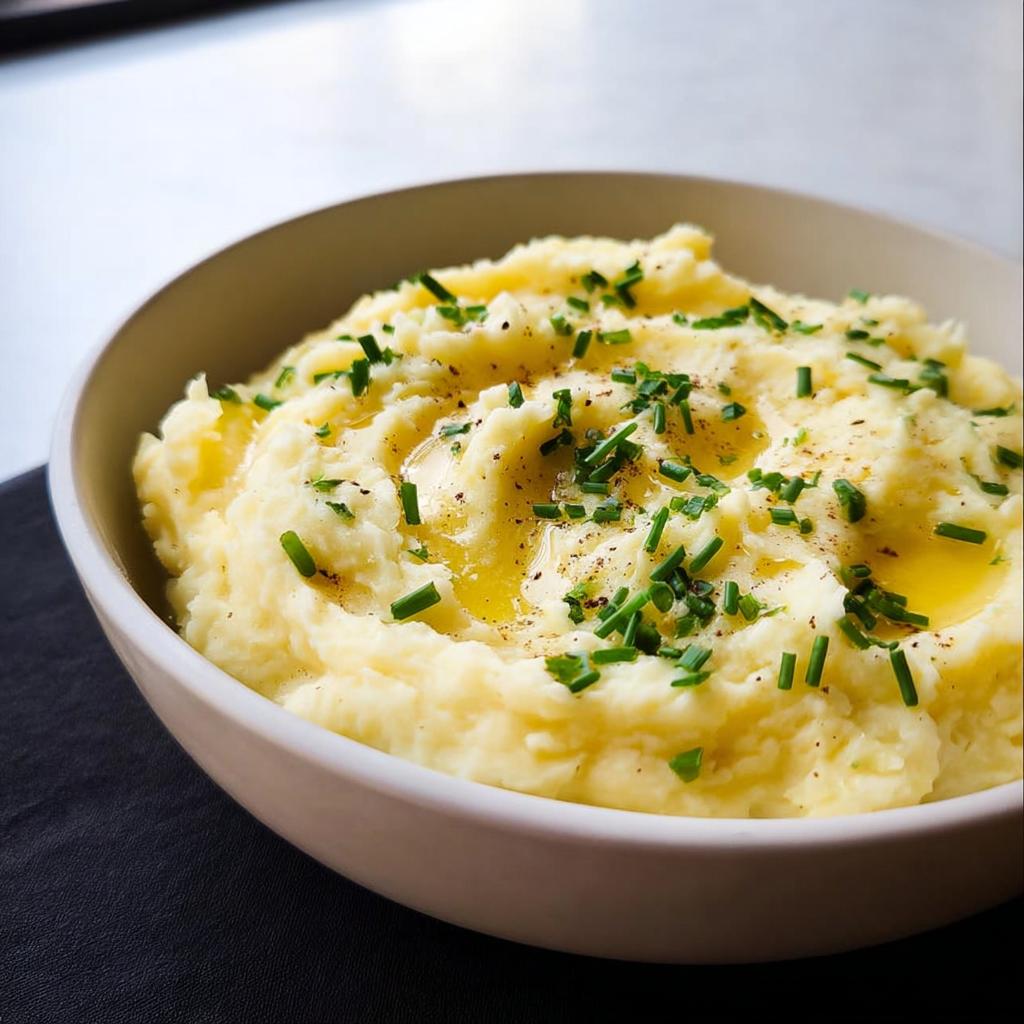
- Spoon the mashed potatoes into a serving bowl. If desired, create swirls on top using the back of a spoon. Drizzle with melted butter and sprinkle with fresh chives, cracked black pepper, and flaky sea salt. Serve immediately.
Nutrition
Notes
Tried this recipe?
Let us know how it was!
Tech-Enabled Keto Innovator
My kitchen runs on code as much as coconut oil. After burning out as a Silicon Valley engineer, I discovered keto through a quantified-self experiment that got wildly out of hand. I was tracking every biomarker while optimizing my brain for coding marathons.
What started as personal optimization became an elaborate system of IoT sensors, smart scales, and algorithms. My apartment turned into a lab with app-controlled sous vide machines and remotely monitored fermentation chambers. Yes, I’m that guy.
My biggest achievement? A machine learning algorithm that suggests recipe modifications based on glucose monitor data. Over 3,000 people beta-tested it with measurably improved results. Instead of static recipes, I create dynamic frameworks that adapt to your exercise data, altitude, and local grocery availability.
Food preparation is just another user interface problem—and like good UX, it should adapt to you.